People
The lab
Current members
Dr. Helen Stopps, P.Eng.
Helen works on the gap between what we know makes buildings healthier, safer and more resilient, and what people experience where they live and work. Her research combines field diagnostics, laboratory testing and modelling to understand how building materials and systems perform in use and which changes improve health and comfort. Helen loves the exploratory side of science and engineering—building, testing and finding out how things really work. She also recognizes that technical performance is only one part of evaluating a technology. Her work asks who it serves, under what conditions, and how its benefits and burdens are distributed. Residents and community organizations inform the questions, what gets measured and how success is defined.
Dr. Fatima Ahmed
PhD, Environmental Science (Indigenous Health) · MASc, Environmental Science & Mgmt. · BASc, Public Health & Safety
Fatima’s research treats housing and infrastructure as public-health issues, examining how conditions in the built environment intersect with health and community wellbeing. Her background spans environmental science, Indigenous health, occupational health and public health, and informs how she approaches community-engaged research across disciplines. As a postdoctoral fellow with NSERC CREATE-IMPACT, she connects community priorities with research and training through interdisciplinary collaboration, mentorship and knowledge translation. Her work is motivated by the view that healthier, more resilient communities require solutions shaped by technical evidence, community knowledge and lived experience—not any one discipline alone.
Odel Linetska
BArchSc · MASc, Building Science · SSHRC CGRS-D · SSHRC–CMHC CGS-M · NSERC USRA
Odel studies housing inequity under a changing climate across low-income, subsidized and First Nations housing contexts in Ontario. Working with communities, she combines field measurements, housing assessments and indoor-air monitoring with interviews to document both building conditions and residents’ experiences of heat, wildfire smoke, flooding and other climate hazards. Her aim is to make overlooked housing conditions visible and produce evidence communities can use to set retrofit priorities, support funding applications and develop responses suited to their own contexts—because no single measurement or intervention captures the whole problem.
Muhammad Faisal Shehzad
MS, Electrical Engineering · BS, Computer Engineering
Muhammad develops a neighbourhood-level Climate Vulnerability Index for Toronto, examining how climate and environmental exposure interact with health, housing, socioeconomic conditions and the built environment. Building on a background in energy systems and decarbonization, he combines evidence reviews with neighbourhood-scale data, statistical and spatial analysis, and methods that look beyond a single ranking to identify different vulnerability profiles and the factors driving them. His goal is to help communities and the City understand not only where vulnerability is concentrated, but why it differs among neighbourhoods, so adaptation efforts and resources can respond to local needs.
Nabil Bleibel
ME, Mechanical Engineering – Applied Energy · BE, Mechanical Engineering · OGS, 2025–26
Nabil’s research focuses on the next step in fault detection and diagnosis: deciding what to do after an HVAC fault is found. Using real building-automation data from an airport, physics-informed and data-driven methods, and HVAC modelling, he develops frameworks for choosing among maintenance, operator intervention and automated corrective action—and for adapting those approaches across different HVAC systems. His goal is to close the gap between fault-detection research and day-to-day building operation, so an alert leads to a practical response that improves performance, energy efficiency and reliability.
Zoe Kiang (she/her)
HBA, Architectural Studies · MSc, Capacity Development and Extension
Zoe’s research asks how green design and sustainability can improve living conditions for Toronto residents who have limited ability to change their housing. Drawing on architecture, systems thinking and community-engaged research, she uses interviews, focus groups and workshops to centre residents’ knowledge and priorities. Her work responds to a gap in green-building research, which often focuses on new development and owner-led retrofits rather than residents who cannot readily change their homes. Her goal is to help shape more comfortable and resilient housing during extreme heat and cold, with residents informing what meaningful improvement looks like.
Natasha K Lunkuse
Electrical Engineering
Natasha studies the opportunities and barriers shaping heat-pump adoption in Toronto’s small commercial buildings. Through interviews, she examines why retrofits proceed or stop and how technical, financial and implementation conditions interact. Her work aims to help municipal governments, utilities, policymakers, energy consultants and retrofit practitioners design electrification programmes that support feasible projects and wider participation. She is motivated by the potential for heat pumps to reduce greenhouse-gas emissions and emphasizes that neither technology choice nor funding alone determines whether a retrofit succeeds.
Maham Dar
BASc, Architectural Engineering · 2025 SBC Shift & Share Award
Maham studies how climate risks are experienced across Toronto neighbourhoods and how community-led approaches can advance equity in climate adaptation. In collaboration with the City of Toronto and community organizations, her work centres residents’ lived experiences in identifying barriers and opportunities for adaptation. She brings together her background in architectural engineering with climate education and environmental-justice work through Climate Crisis Connect, the community climate-education organization she founded. Her goal is research, policy and design that strengthen community resilience without assuming neighbourhood connections can overcome built environments that create isolation.
Katy Hui Shan Cao
BArchSc · NSERC CGRS-M · NSERC USRA · Enform × BSAO Scholarship
Katy’s interest in building-envelope performance grew from studying building materials and assemblies during her Architectural Science degree. Her MASc research explores new, non-destructive techniques for assessing the condition of building envelopes and identifying early signs of deterioration. In the lab, she combines testing and data analysis to examine how these approaches might strengthen building-condition assessments and support earlier, more targeted interventions. Because buildings shape everyday wellbeing, she wants these techniques to provide practitioners with additional evidence while complementing—not replacing—their experience and judgement.
Navneet Riyat
BArchSc
Navneet is exploring how HVAC and ventilation systems can be evaluated and optimized to support occupant health, wellbeing and low-carbon building performance. Drawing on more than four years in architectural and building-science practice, including technical work with design teams on high-rise developments, she brings experience in energy analysis, thermal comfort, indoor air quality and airtightness. As she develops her MASc thesis, she is interested in how specific mechanical systems interact with building design, heating and cooling demand, cost and overall performance.
Lab support
GroundTRUTH also works in the shared Building Science Research Lab operated by TMU's Department of Architectural Science.
Greg Labbé
Greg supports the shared departmental laboratory used by GroundTRUTH and other research groups. His work includes materials testing, building-performance and field testing, laboratory operations, and technical support for student research. TMU staff profile →
Life in the lab
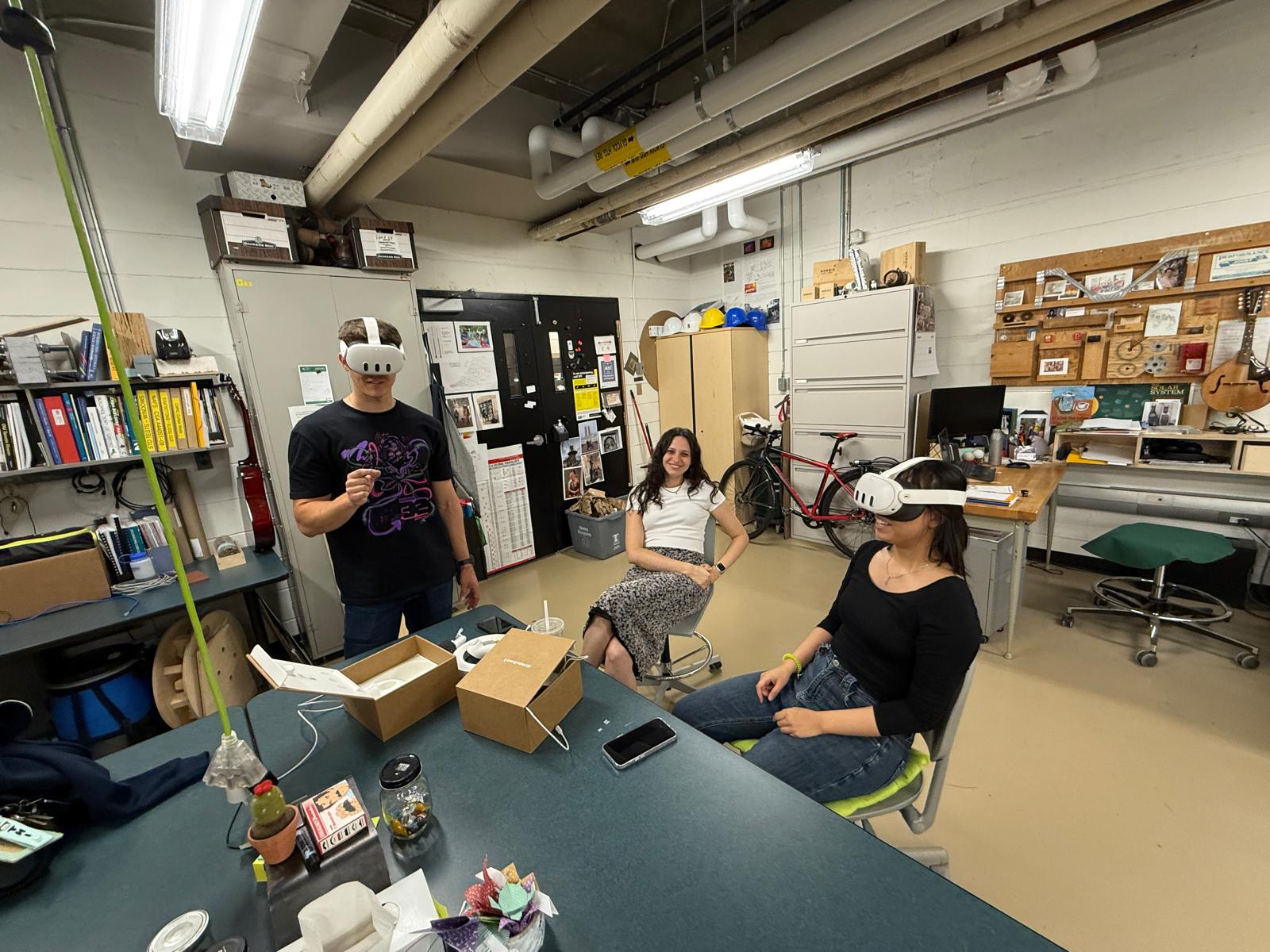
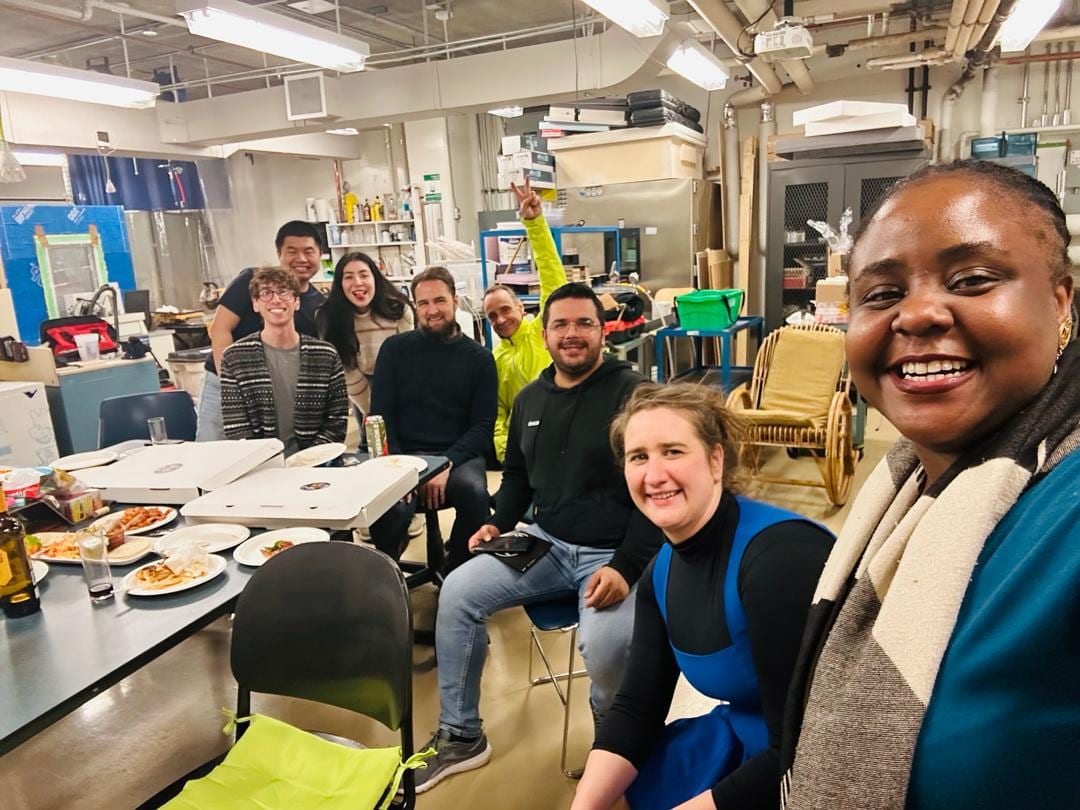
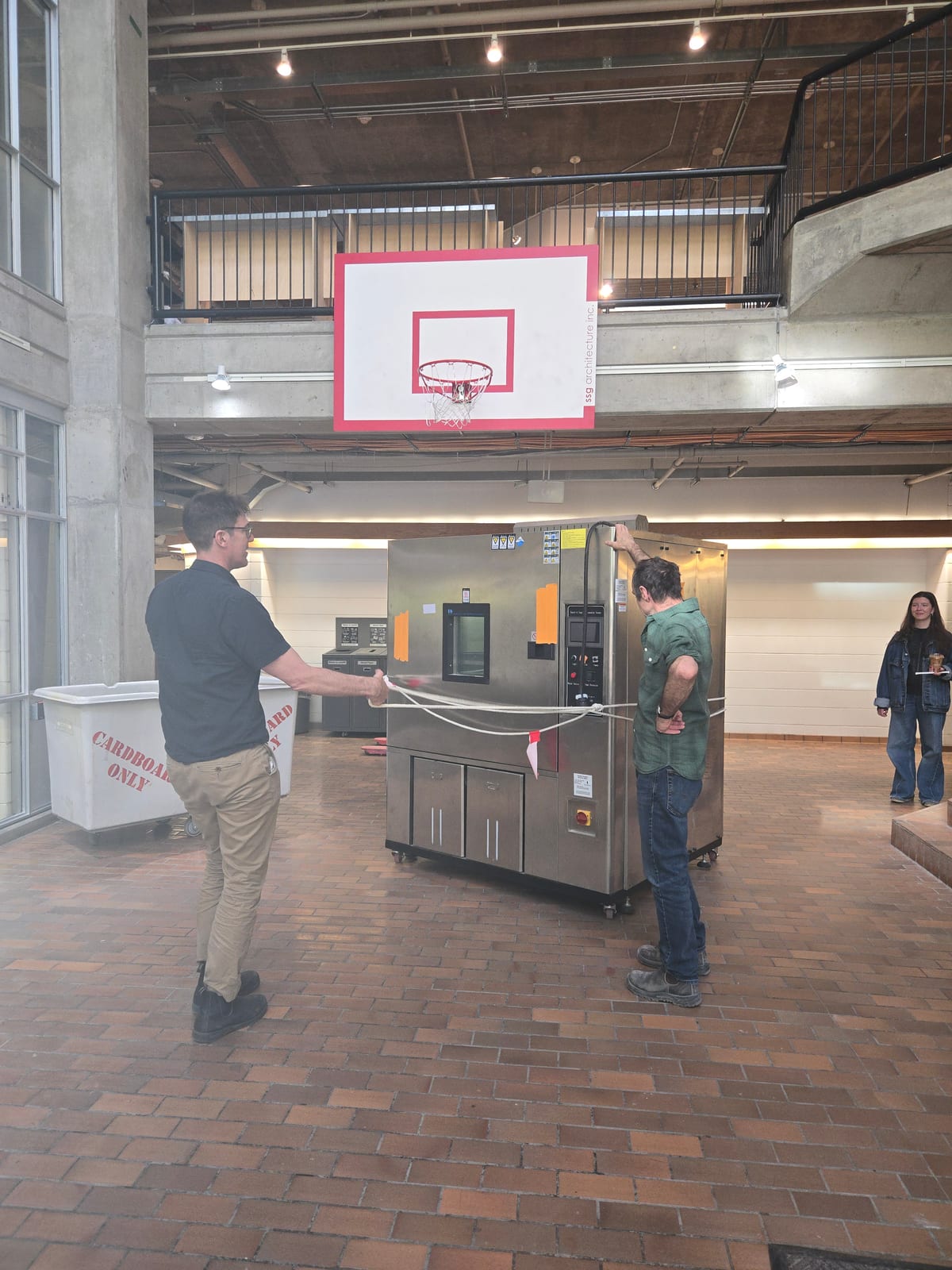
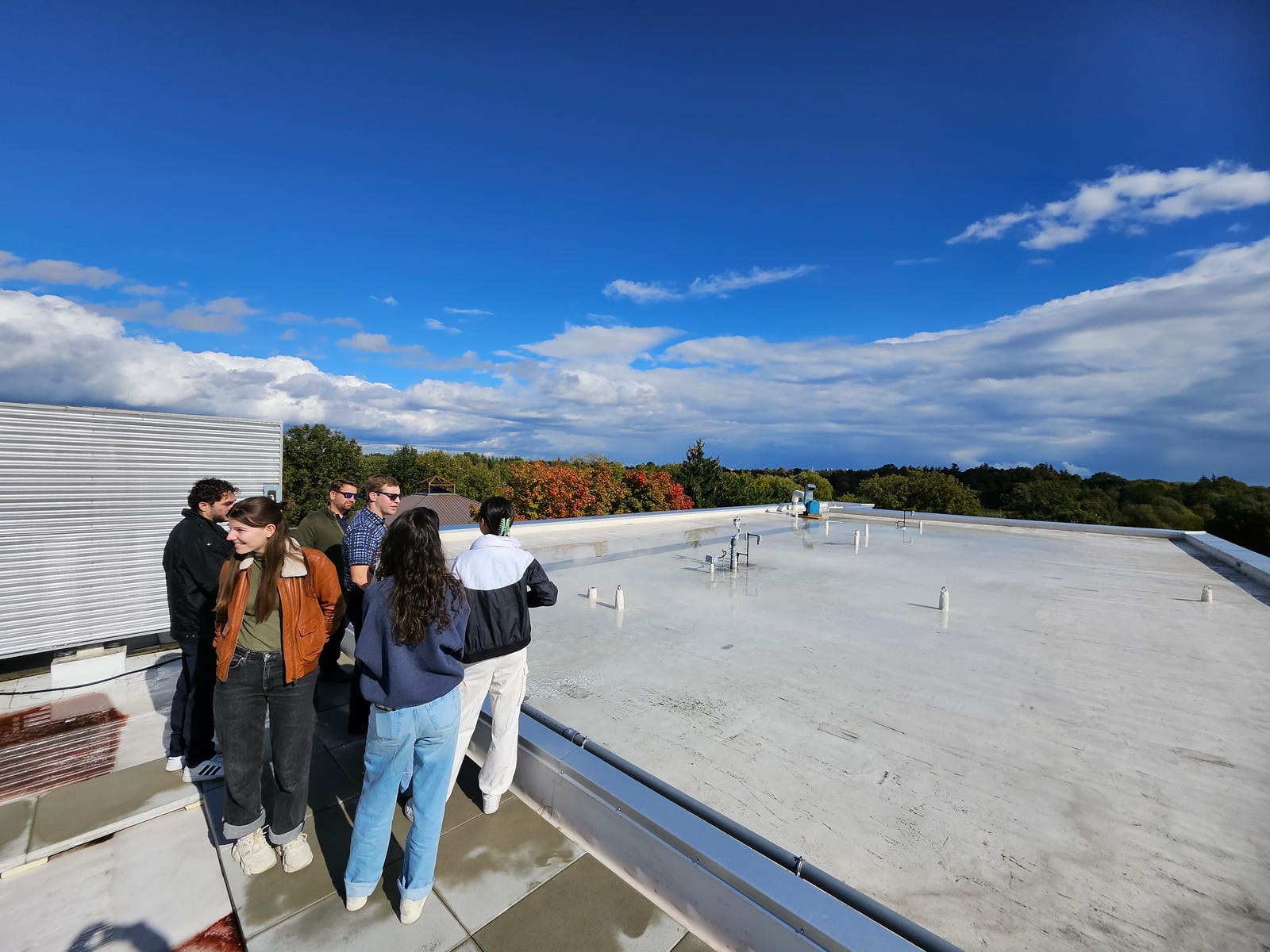
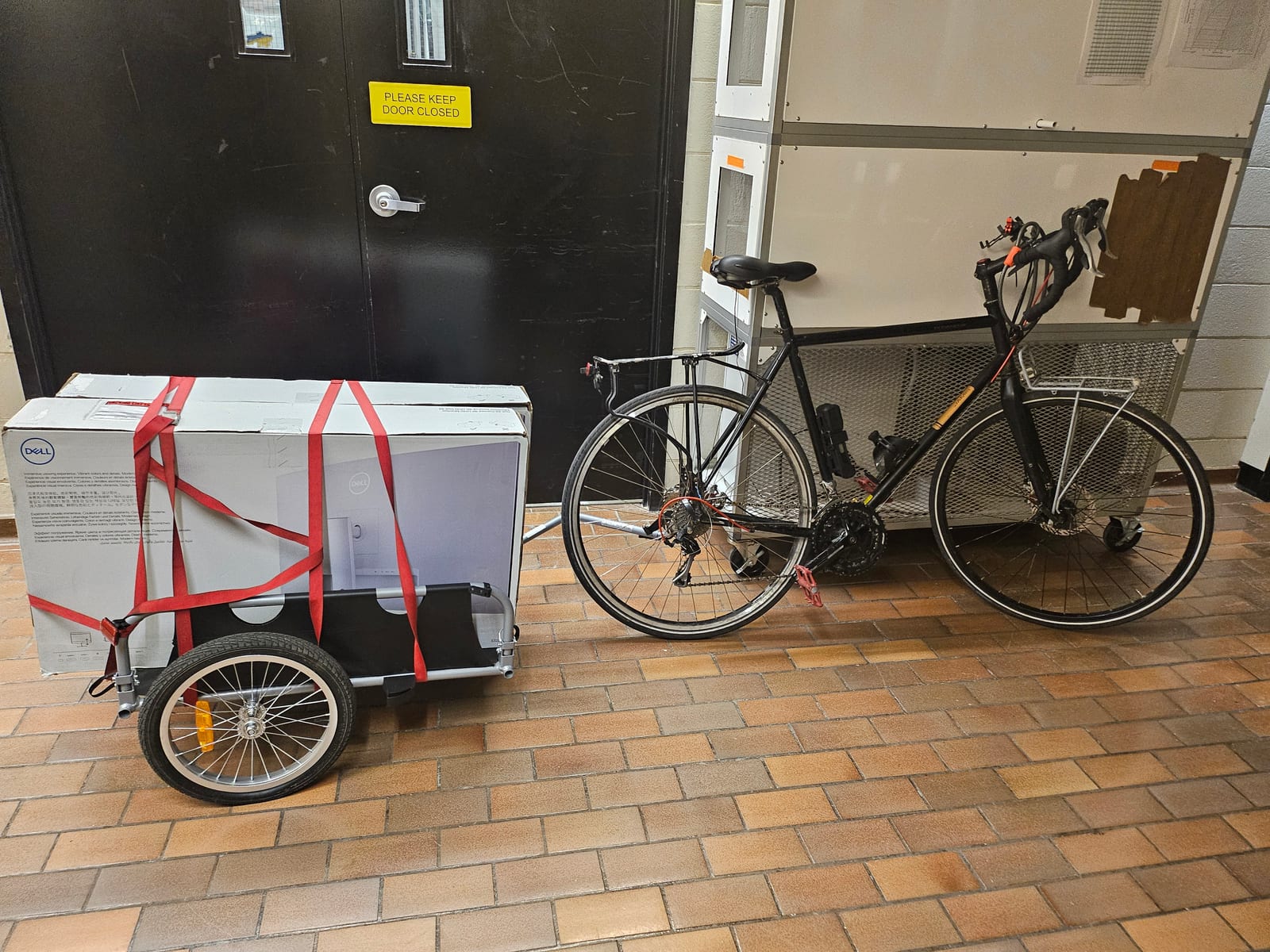
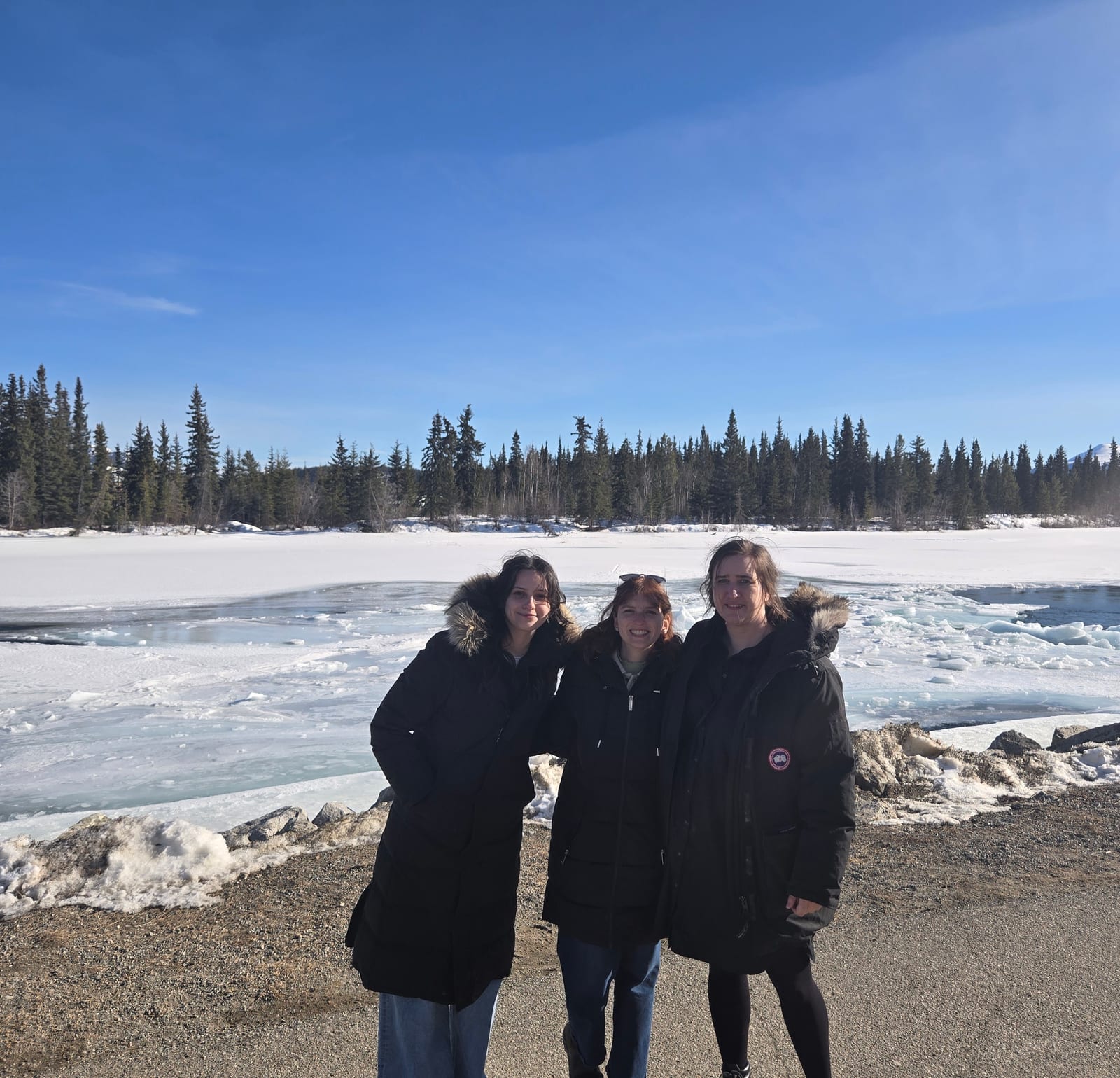
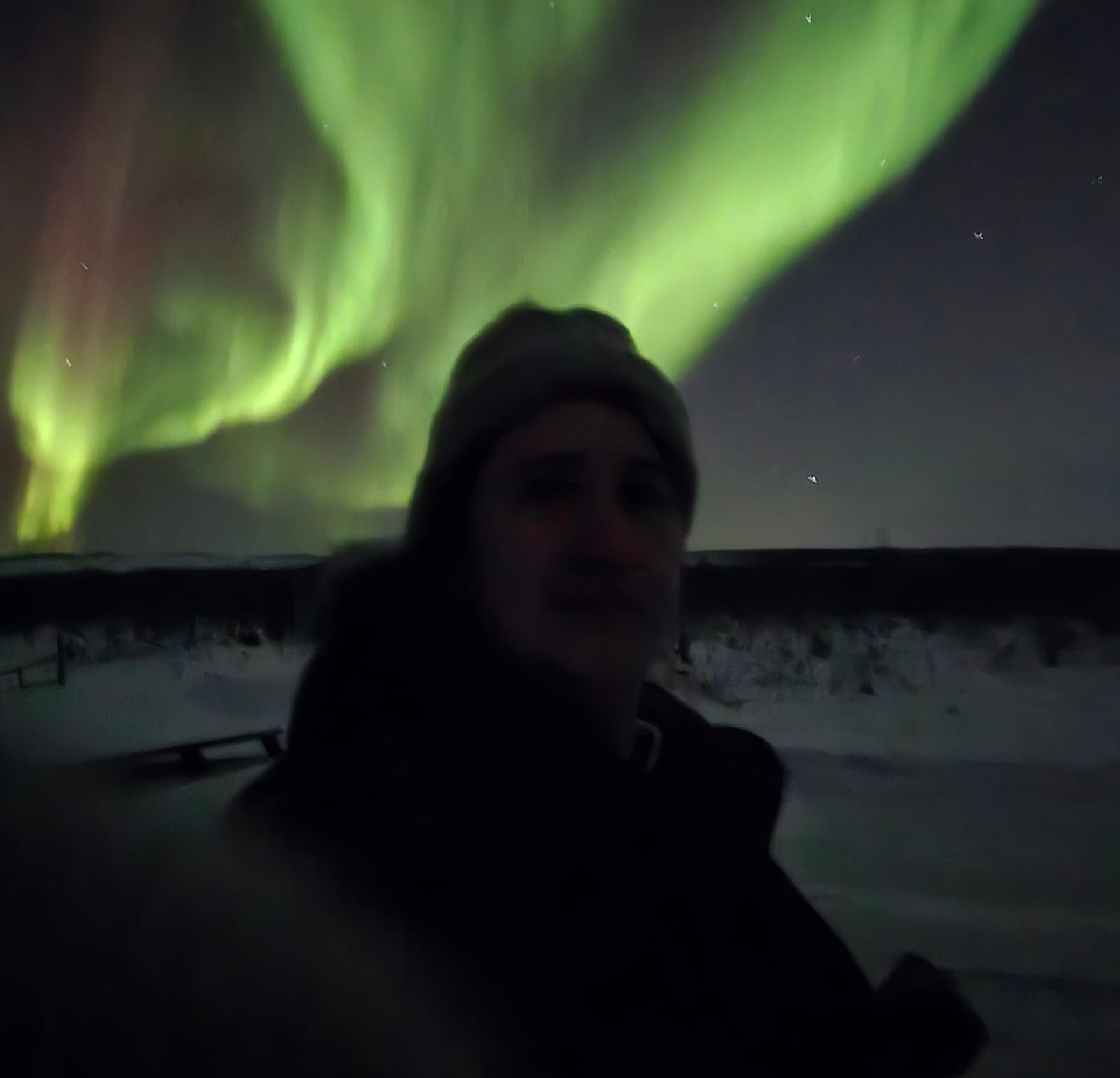
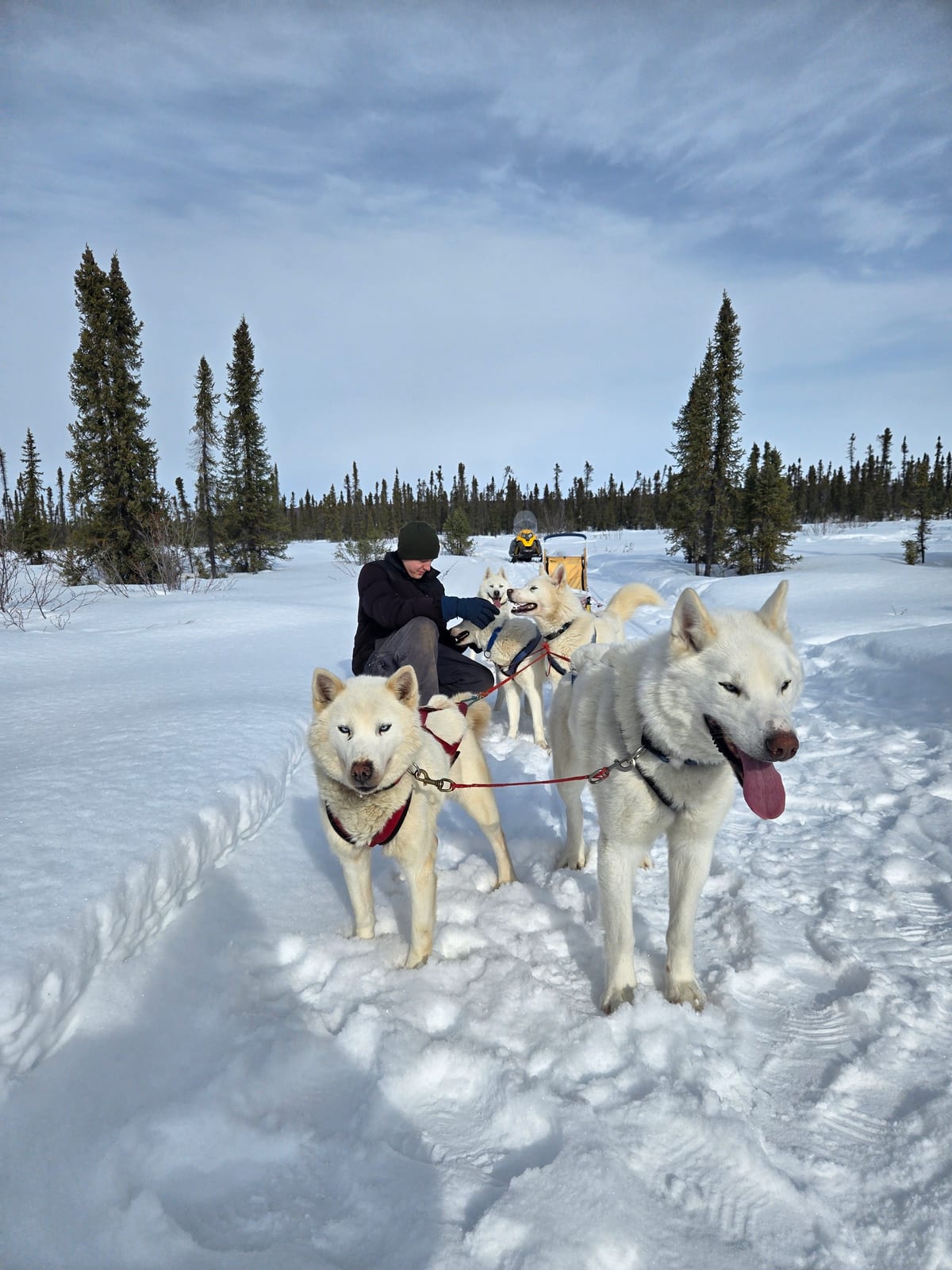
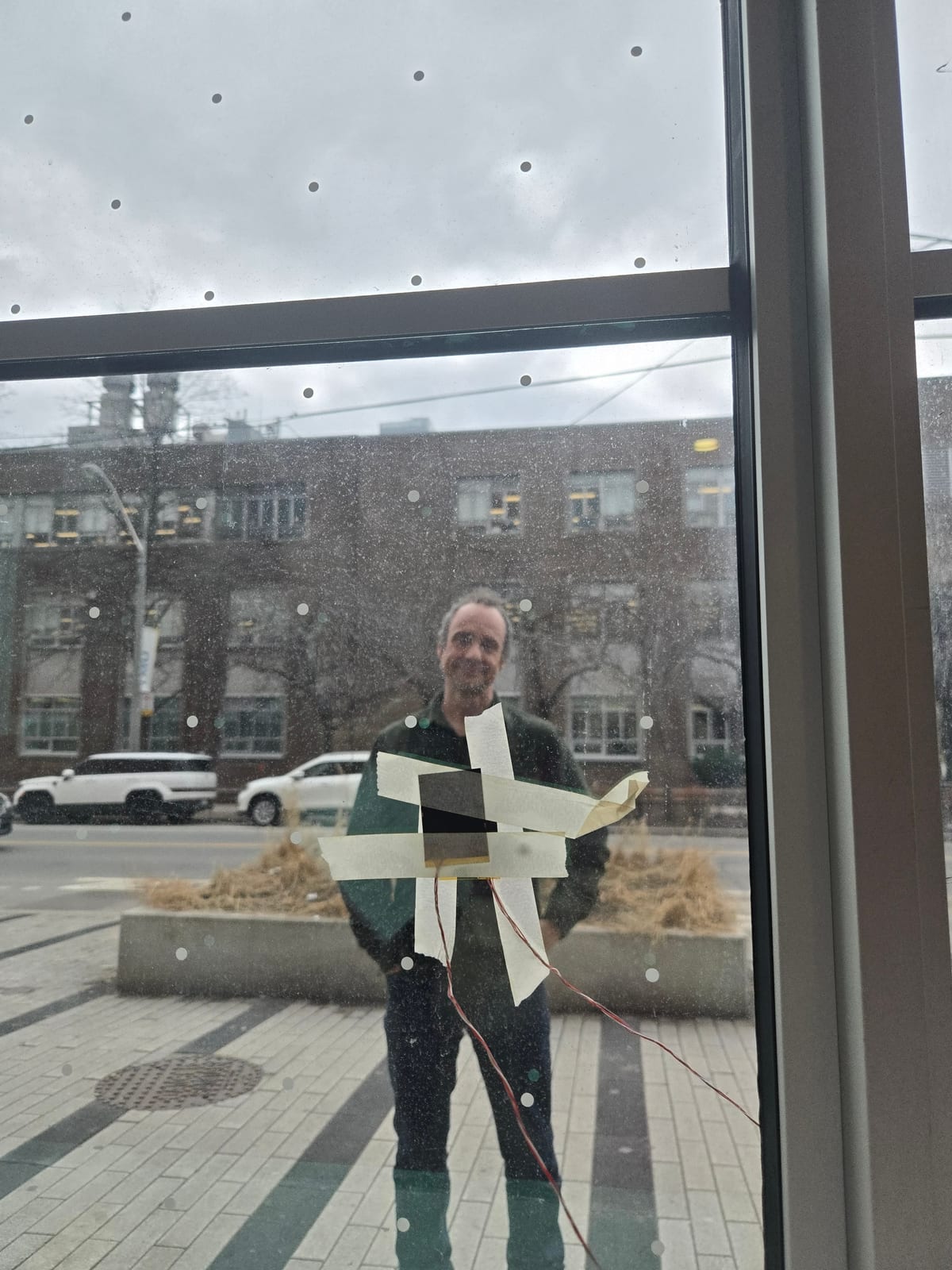
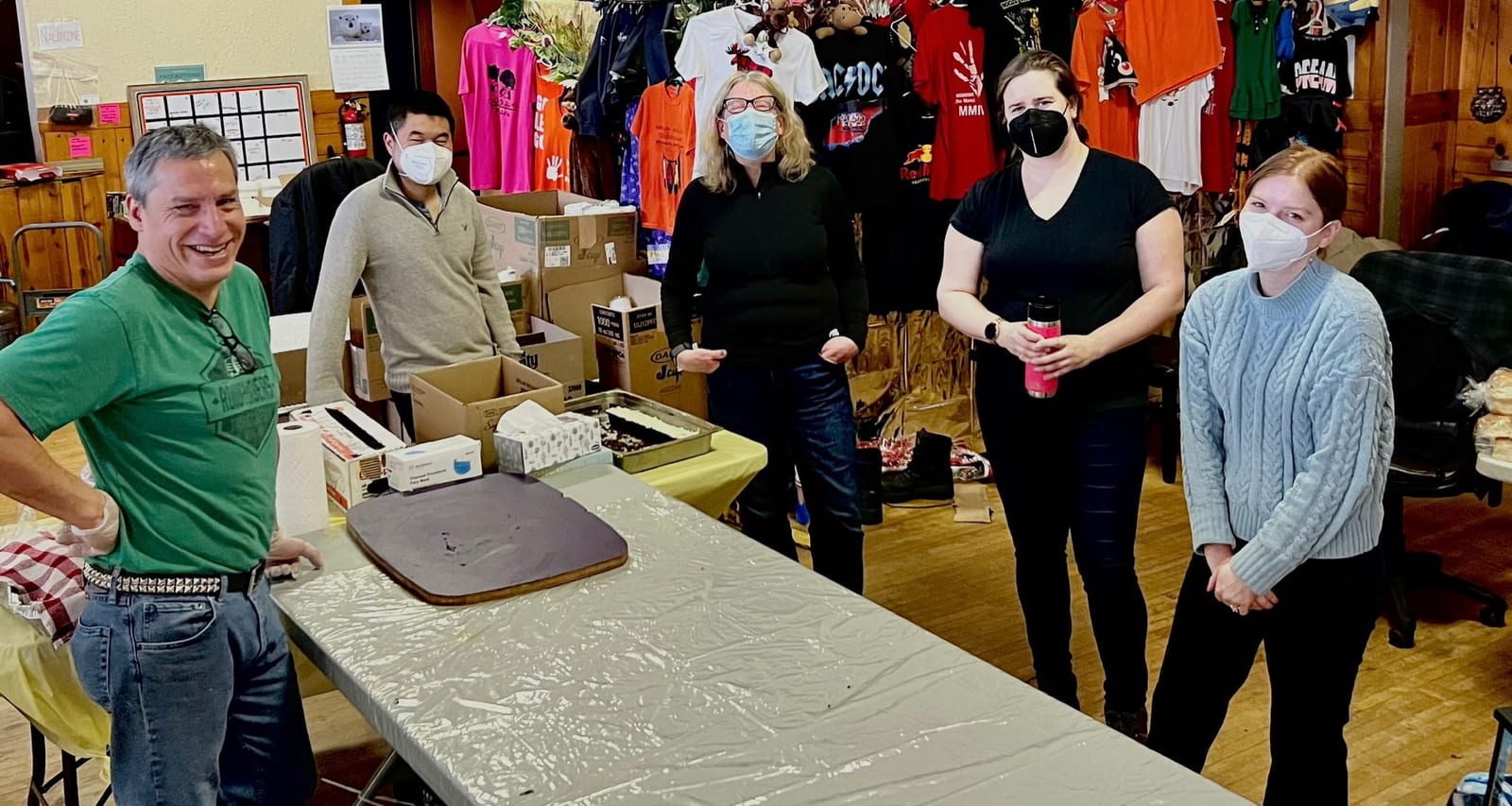
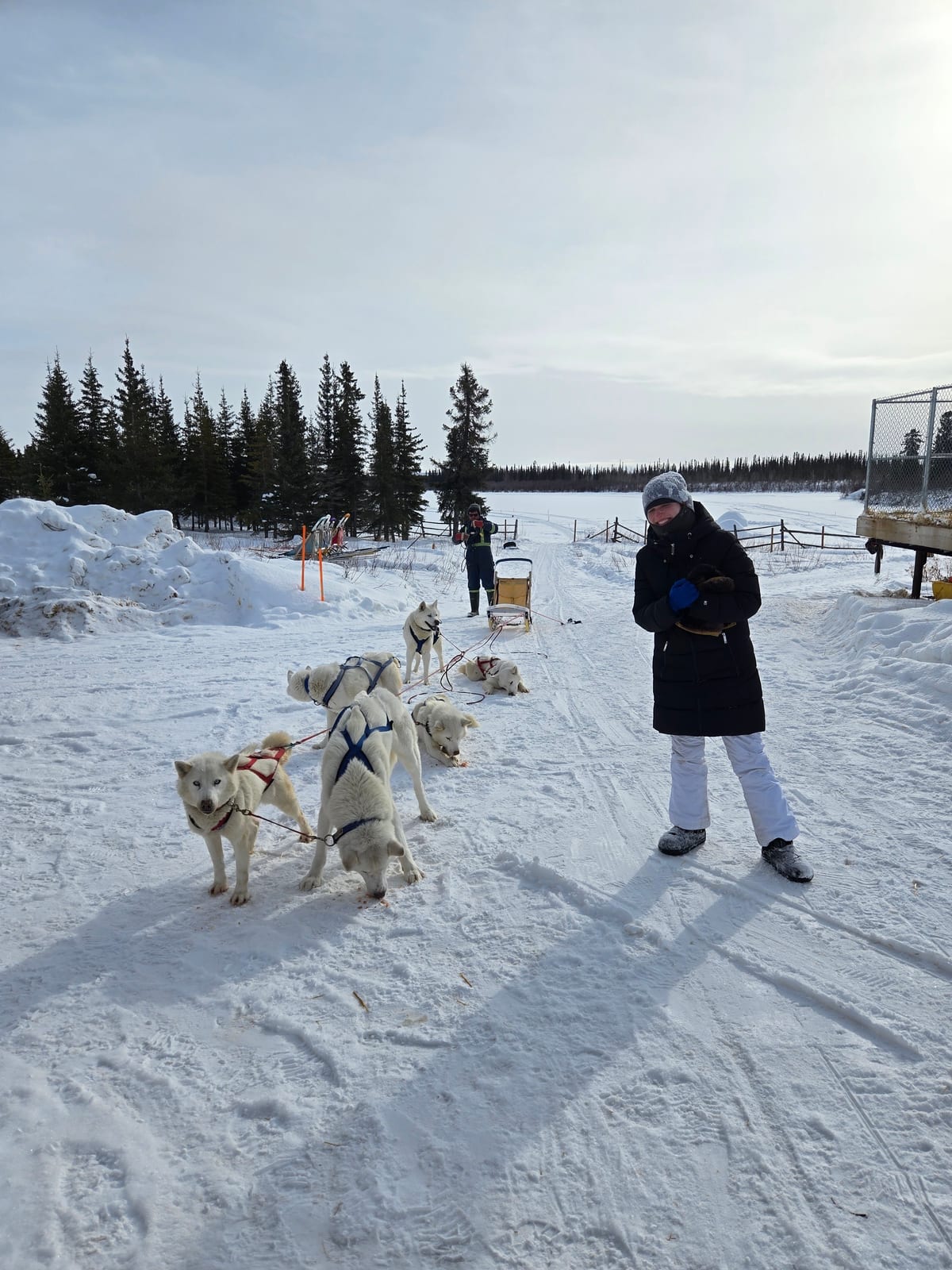
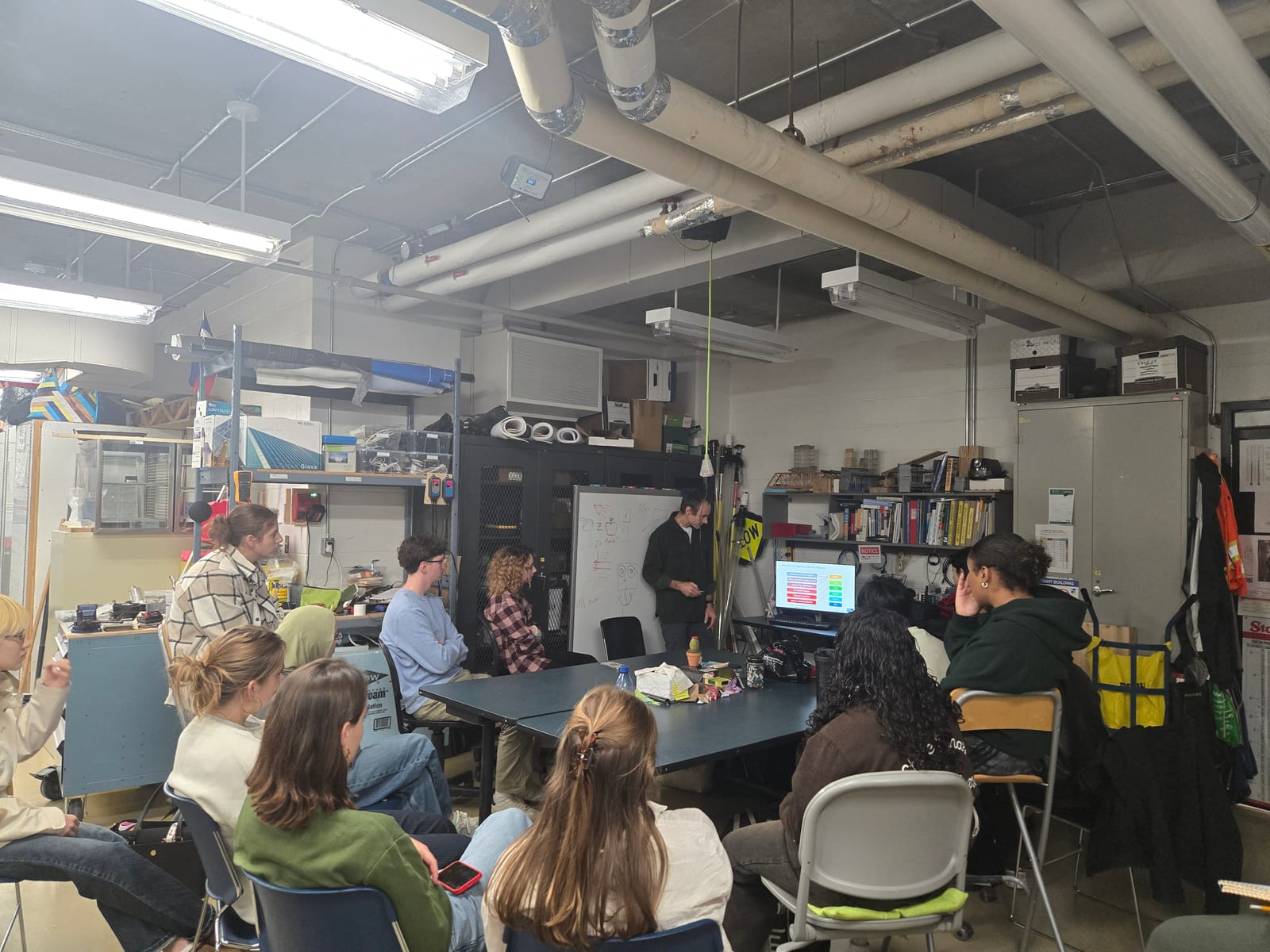
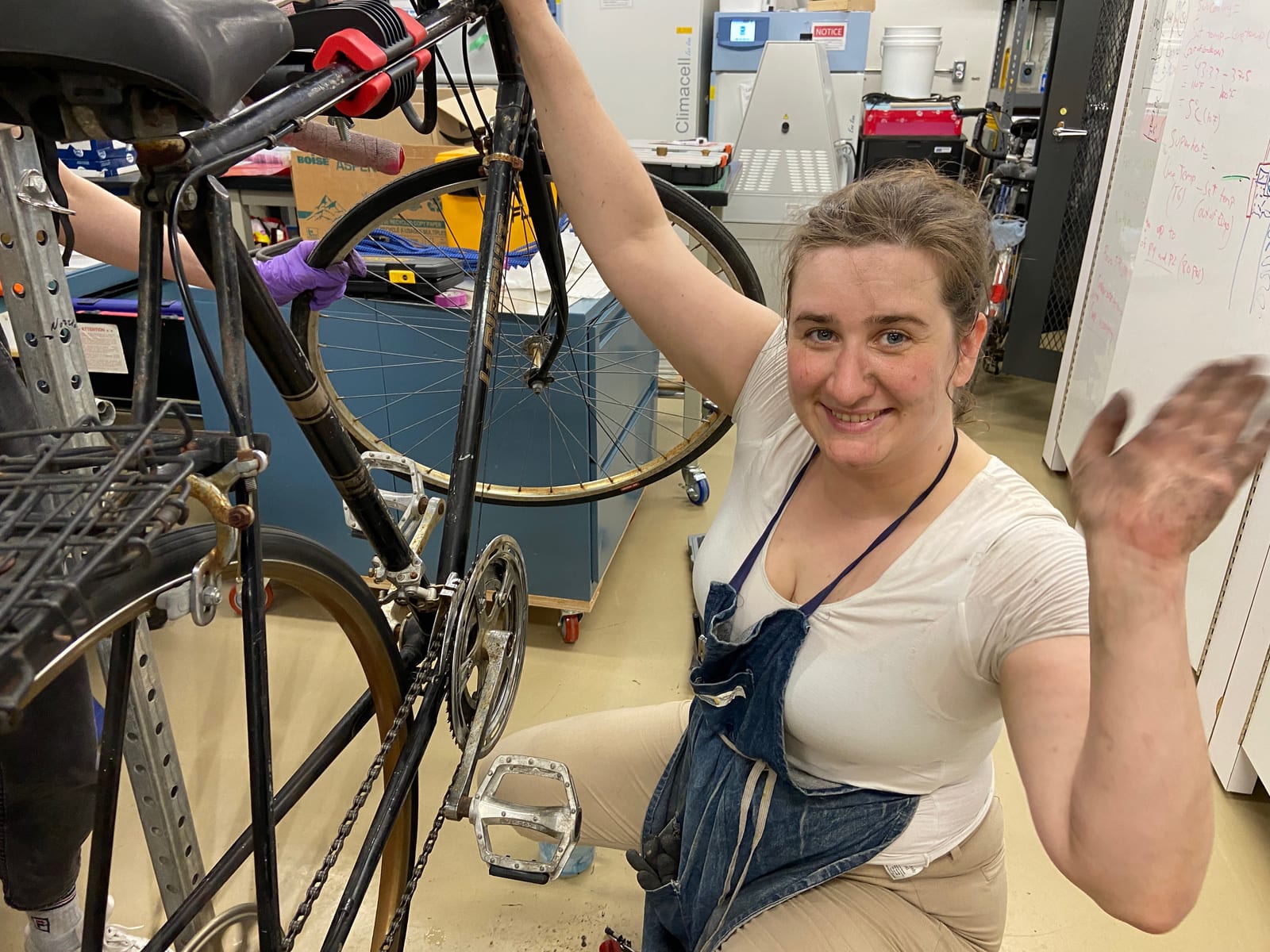
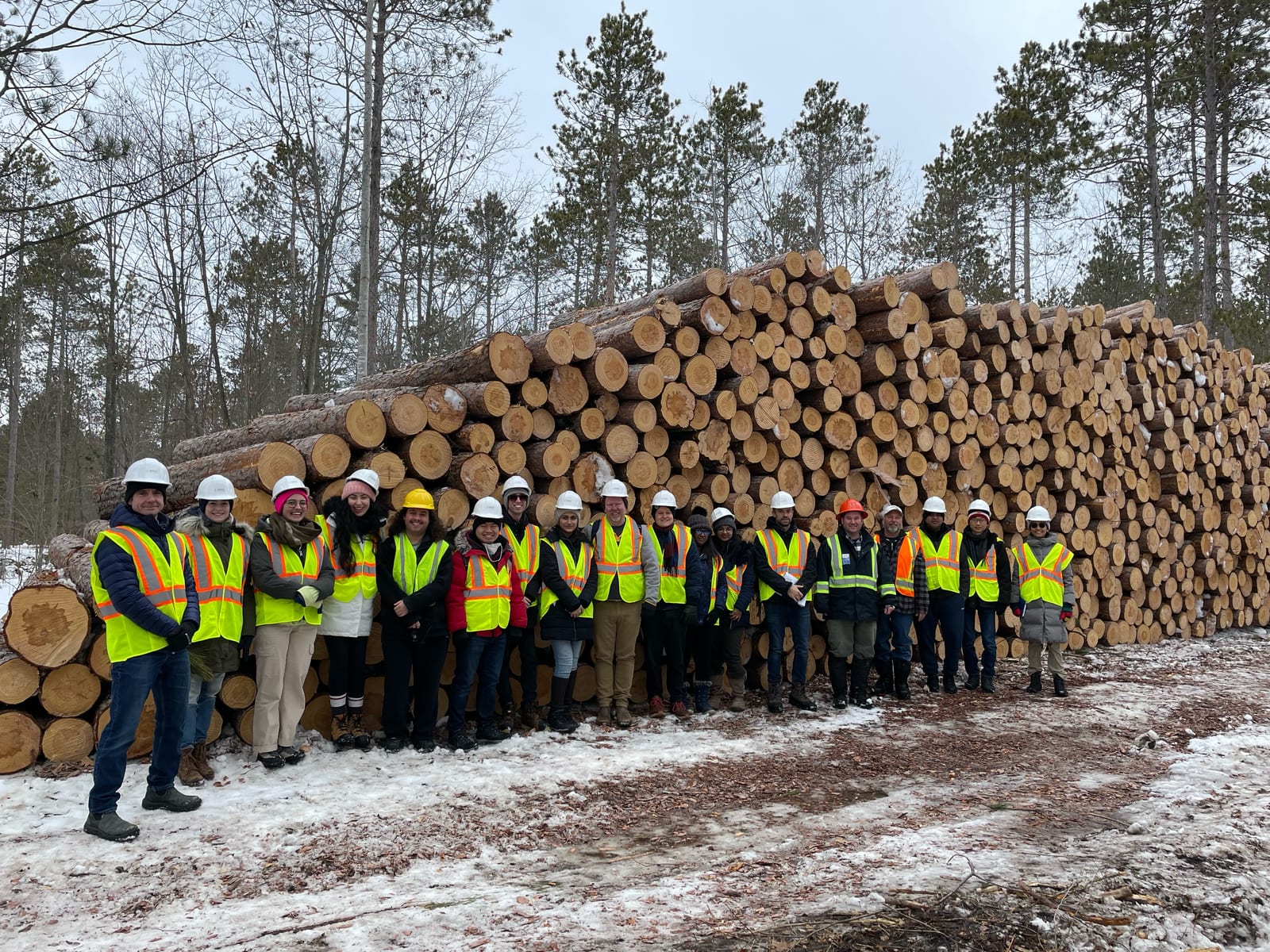
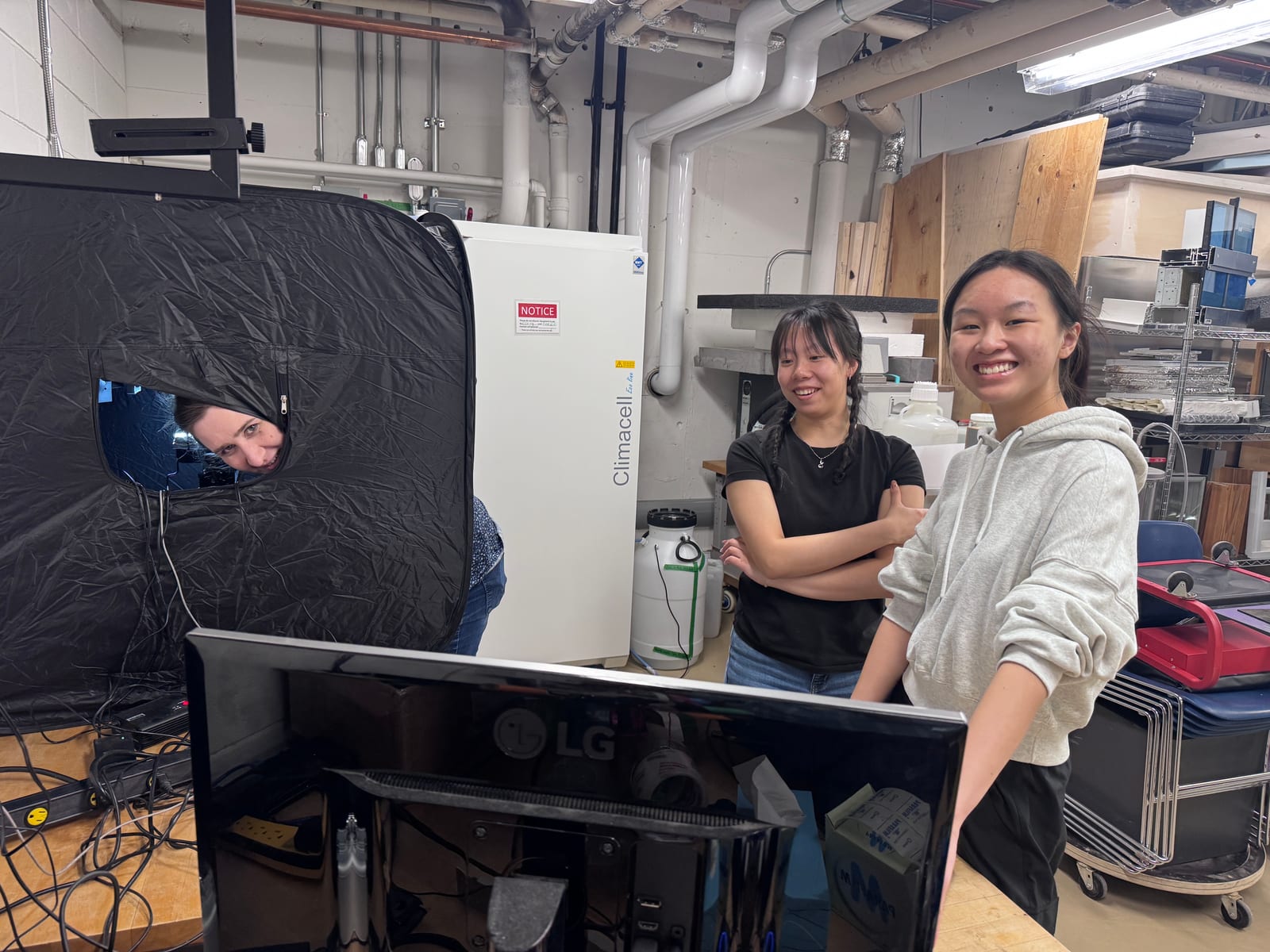
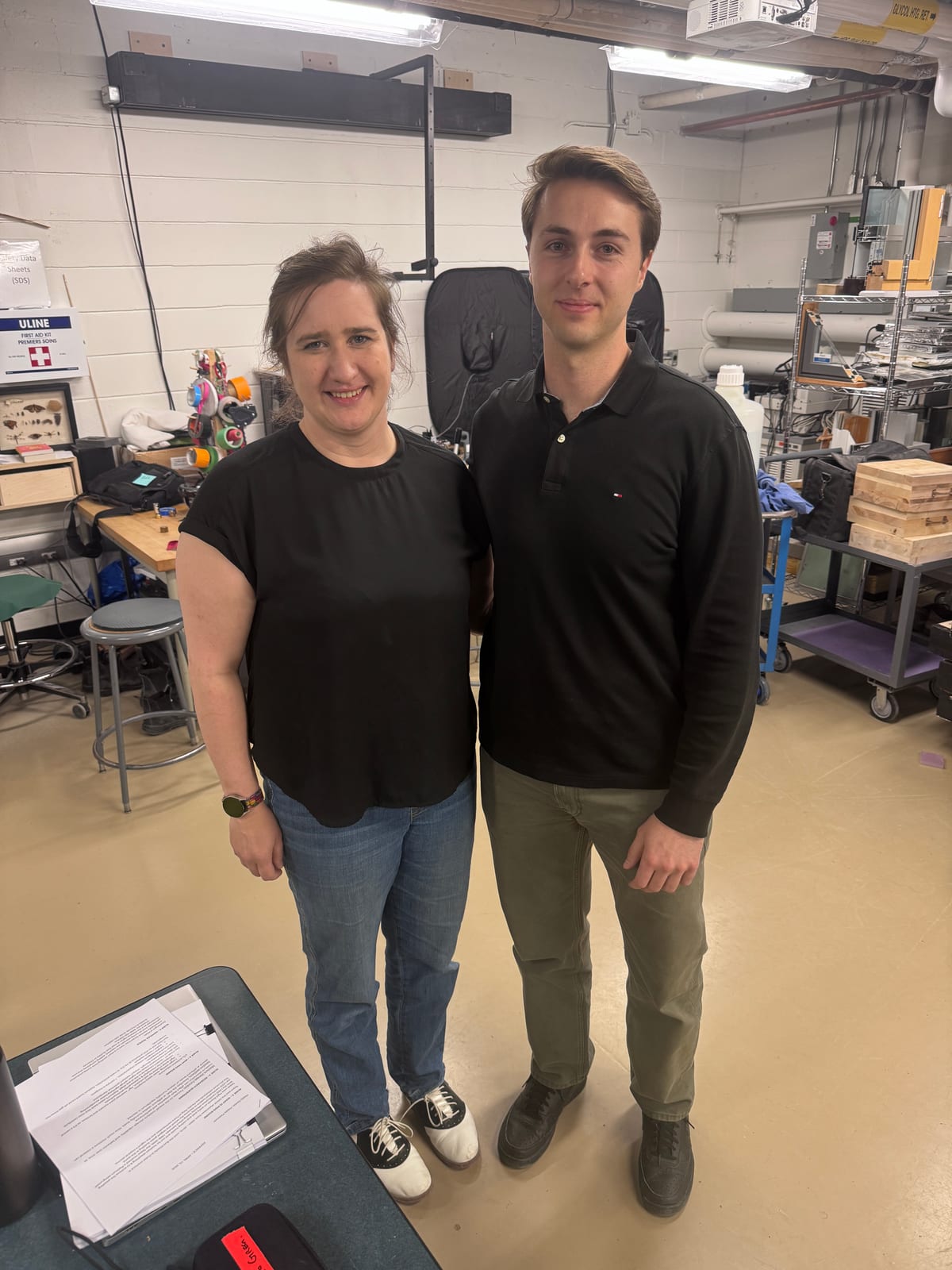
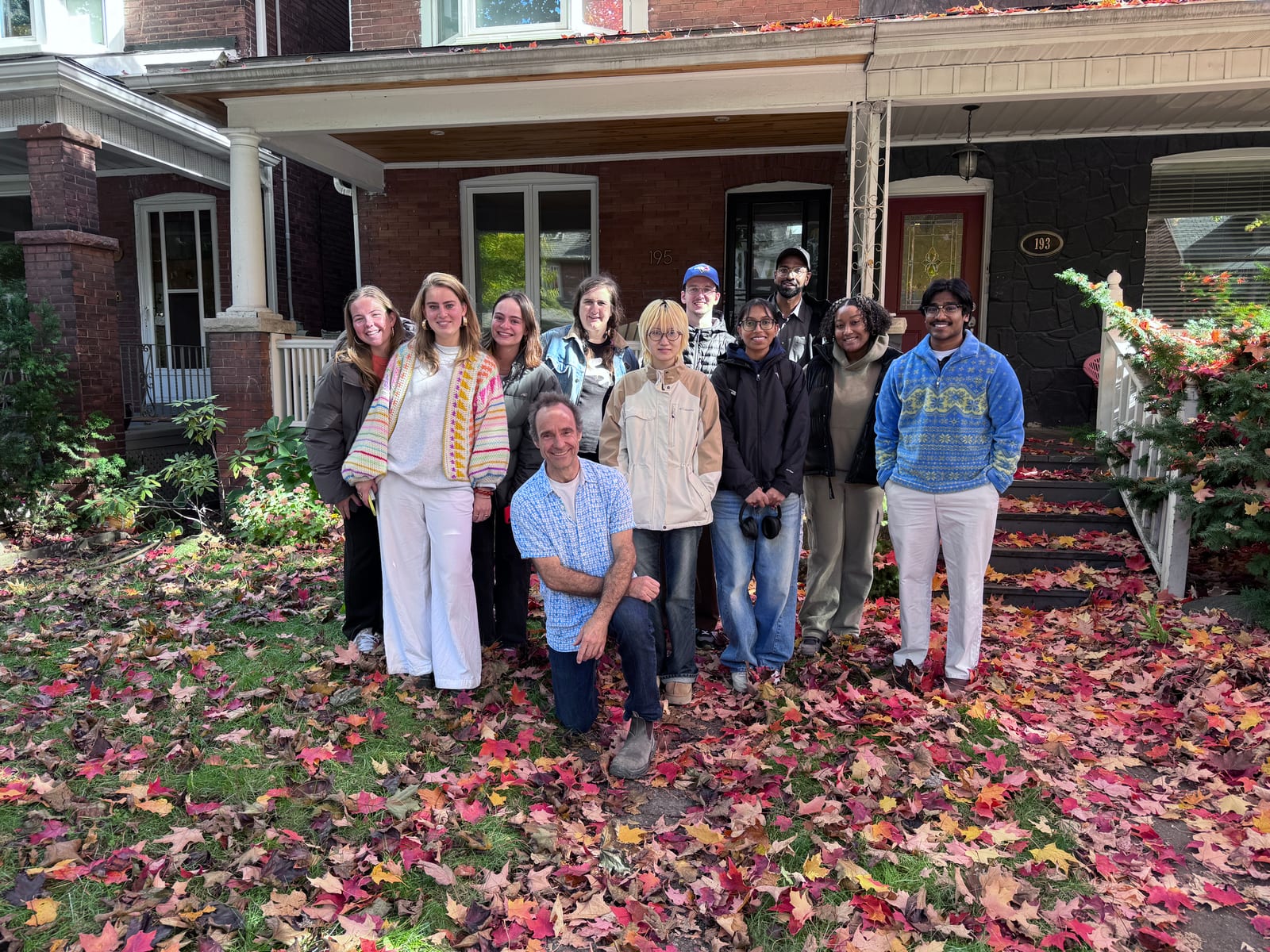
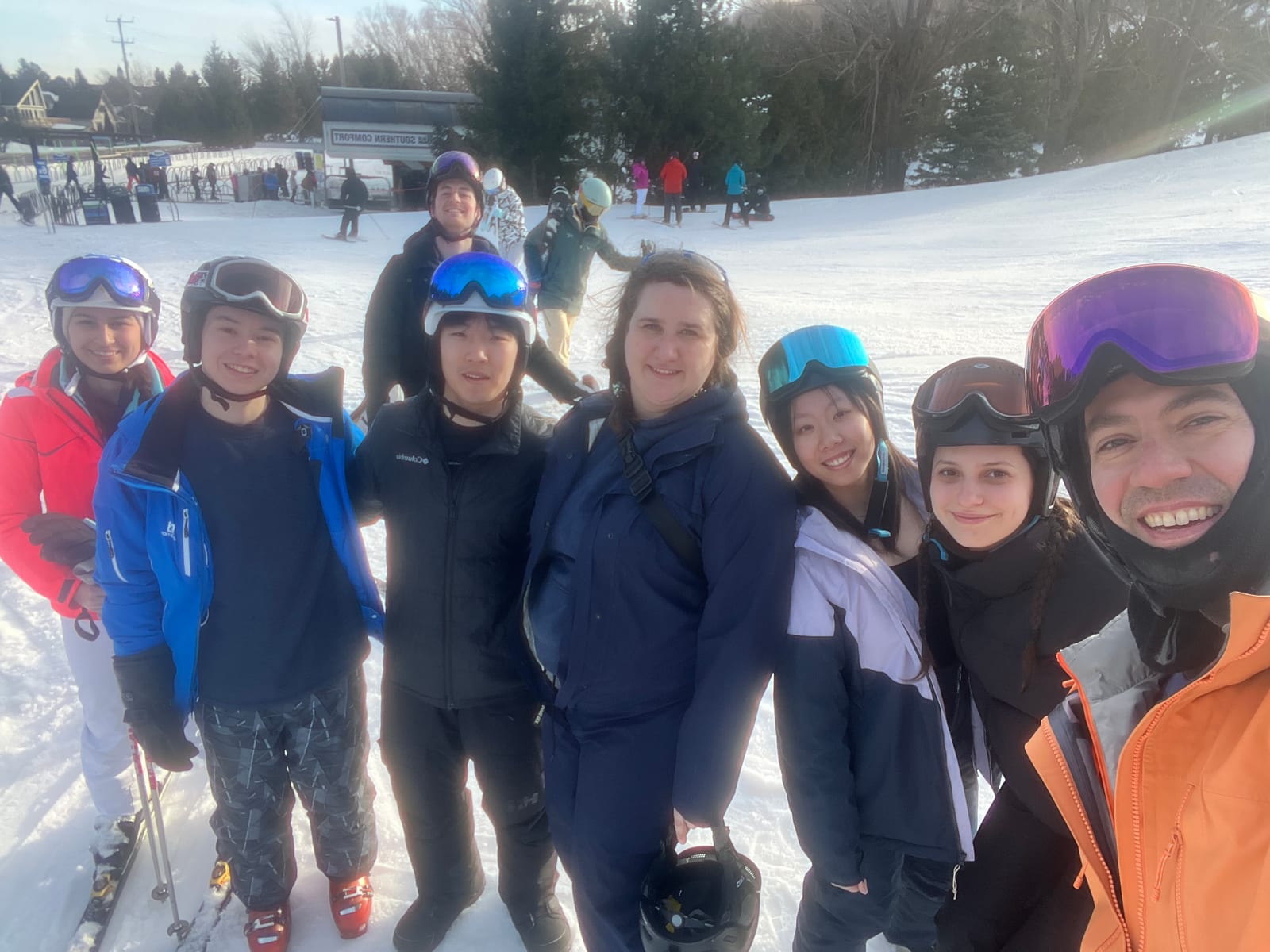
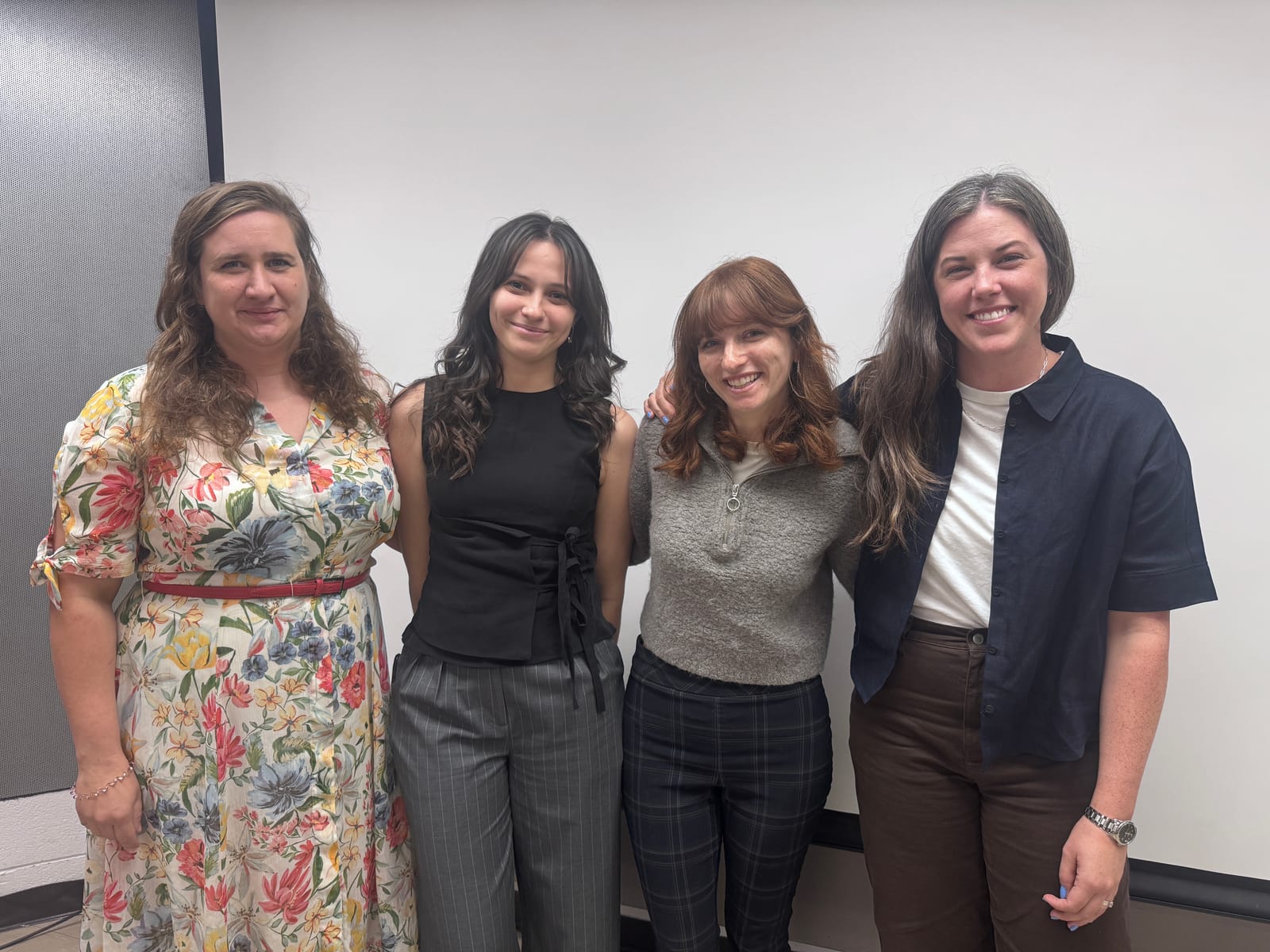
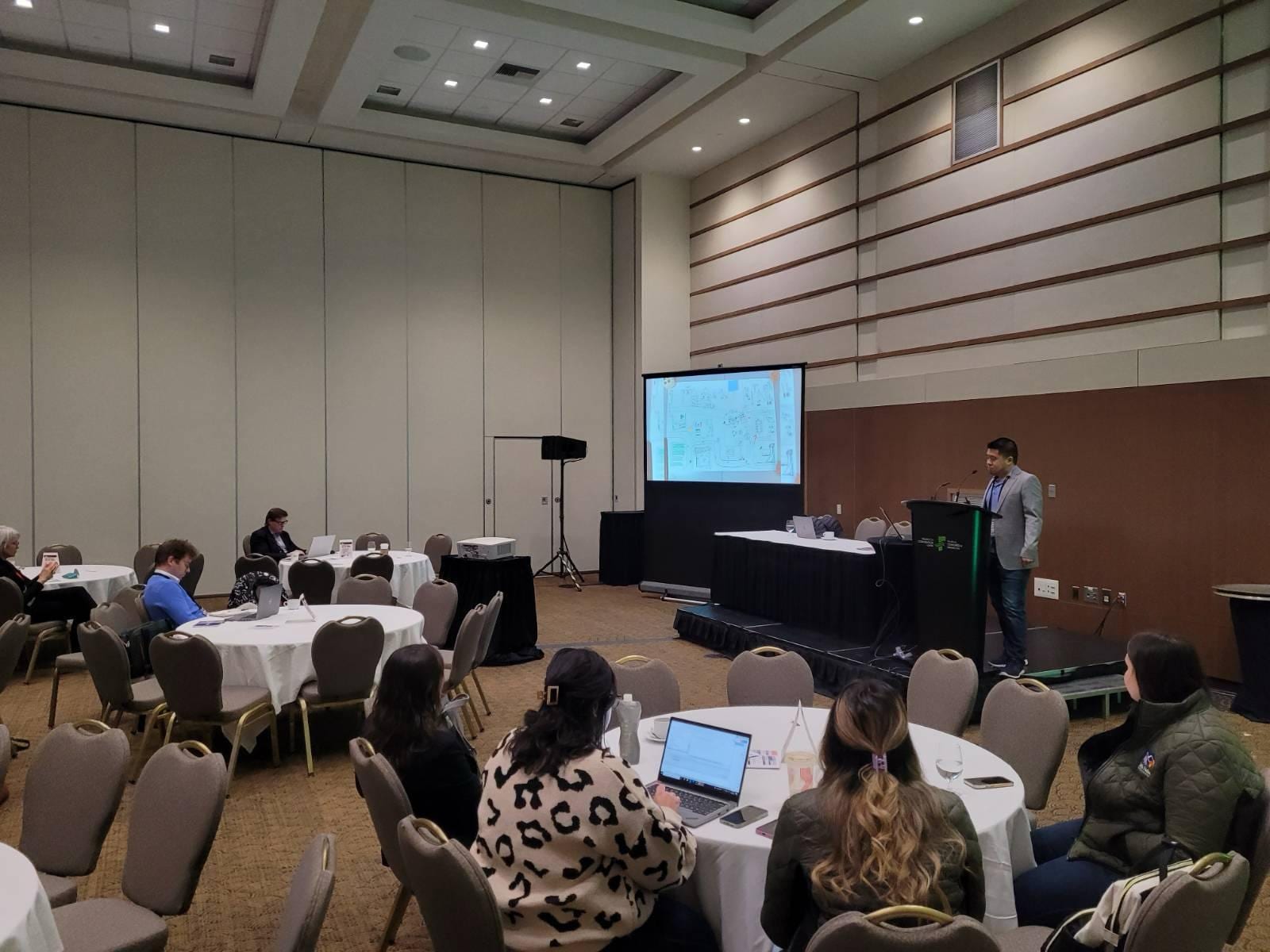
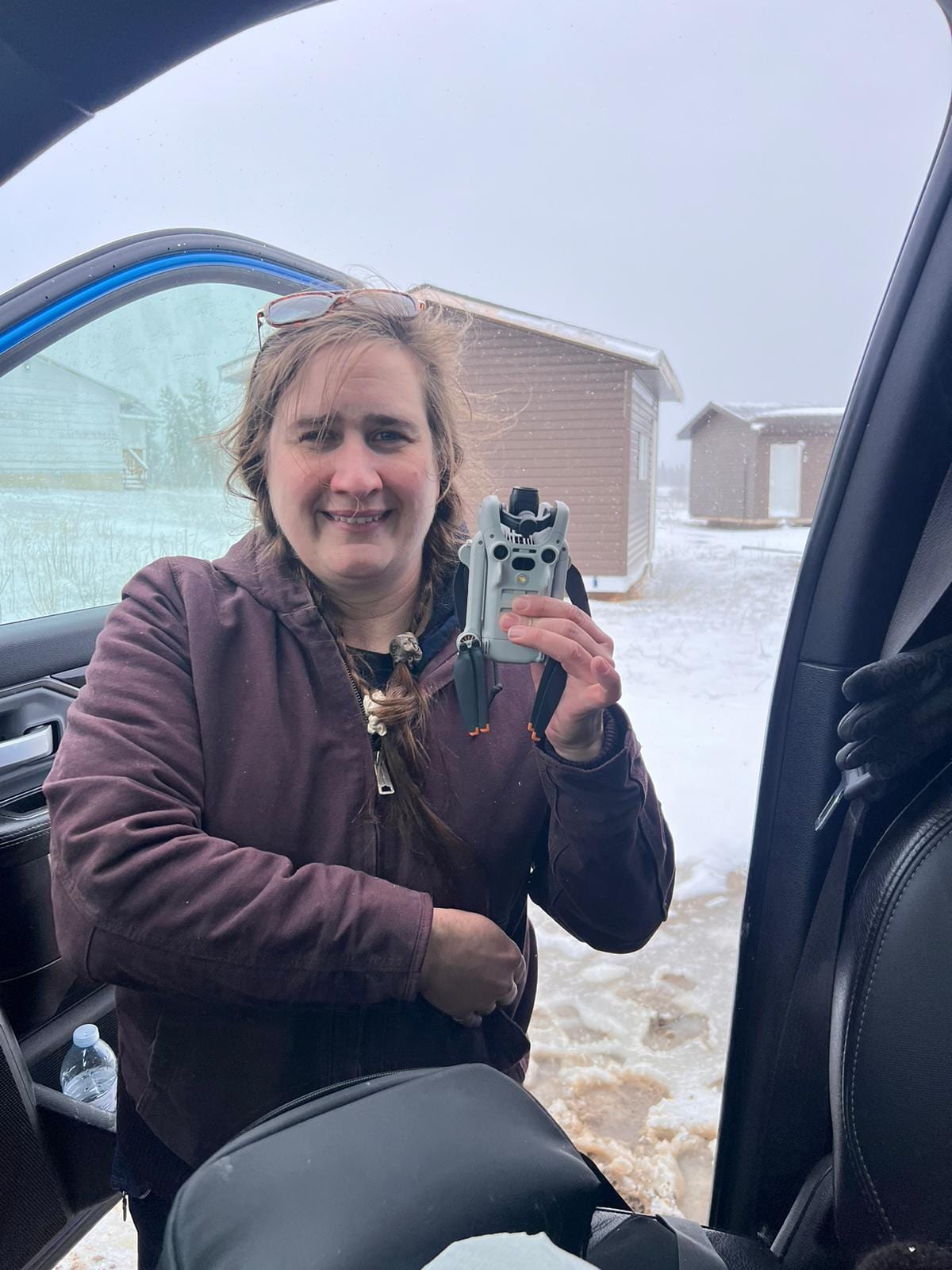
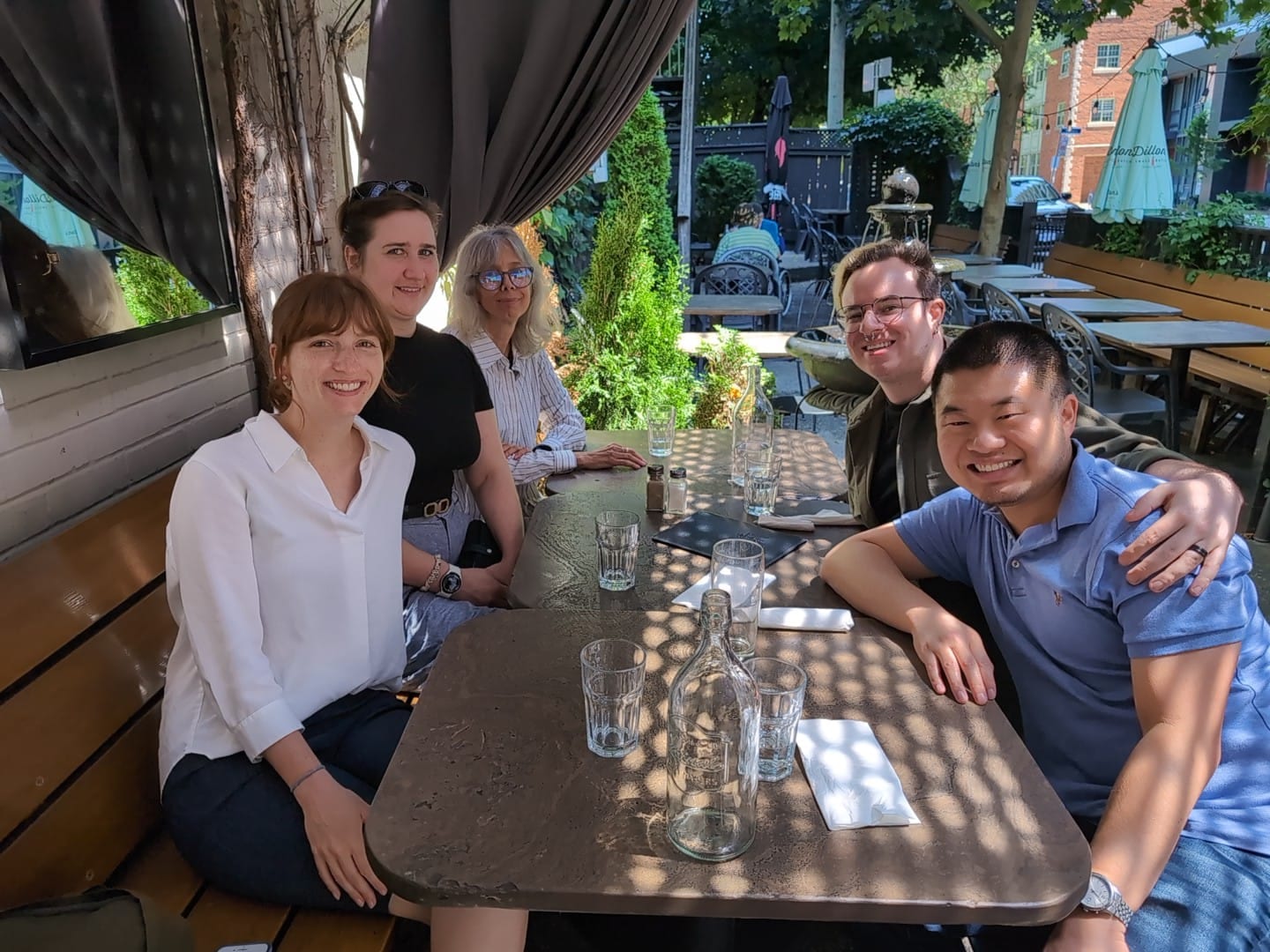
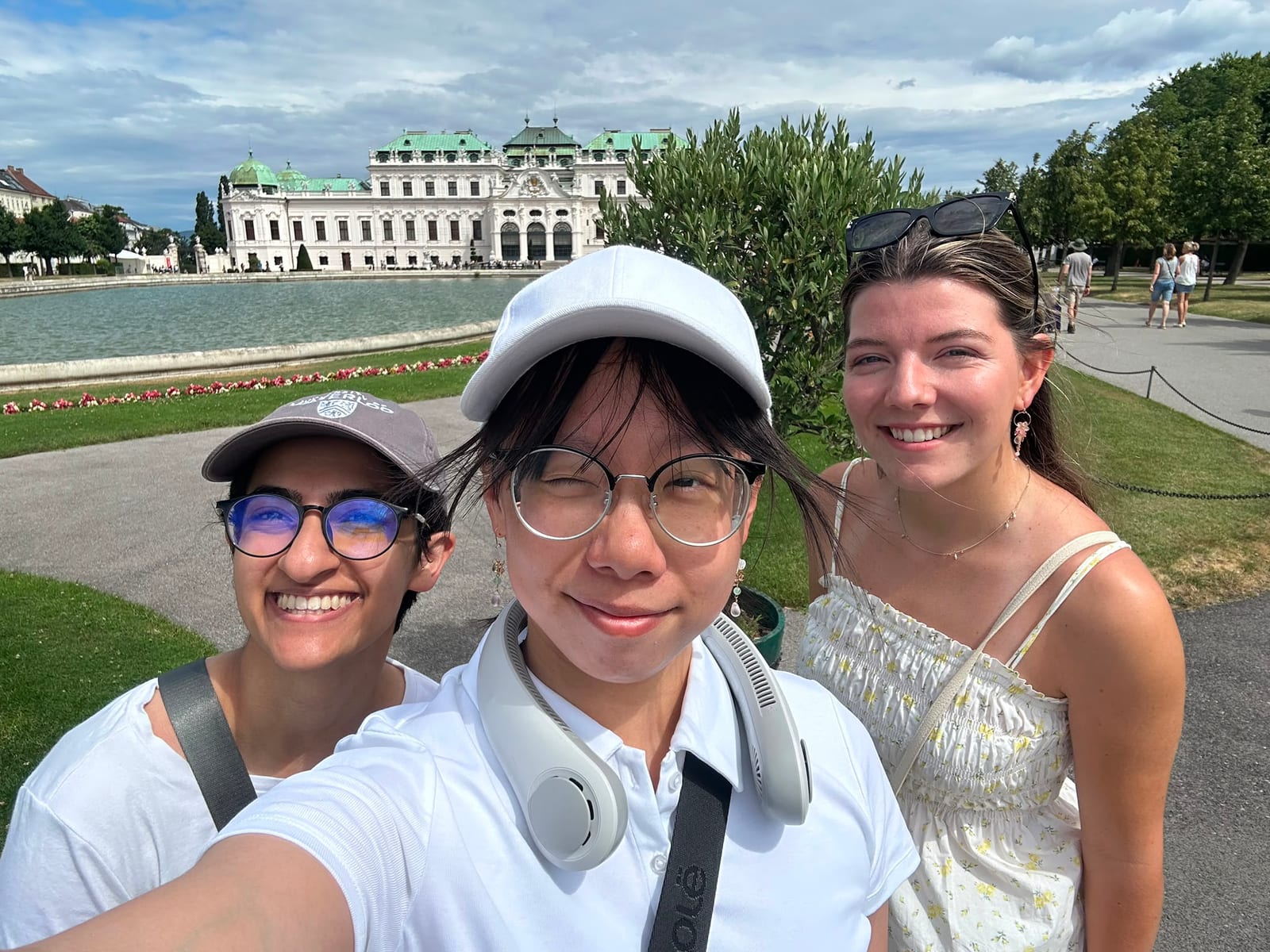
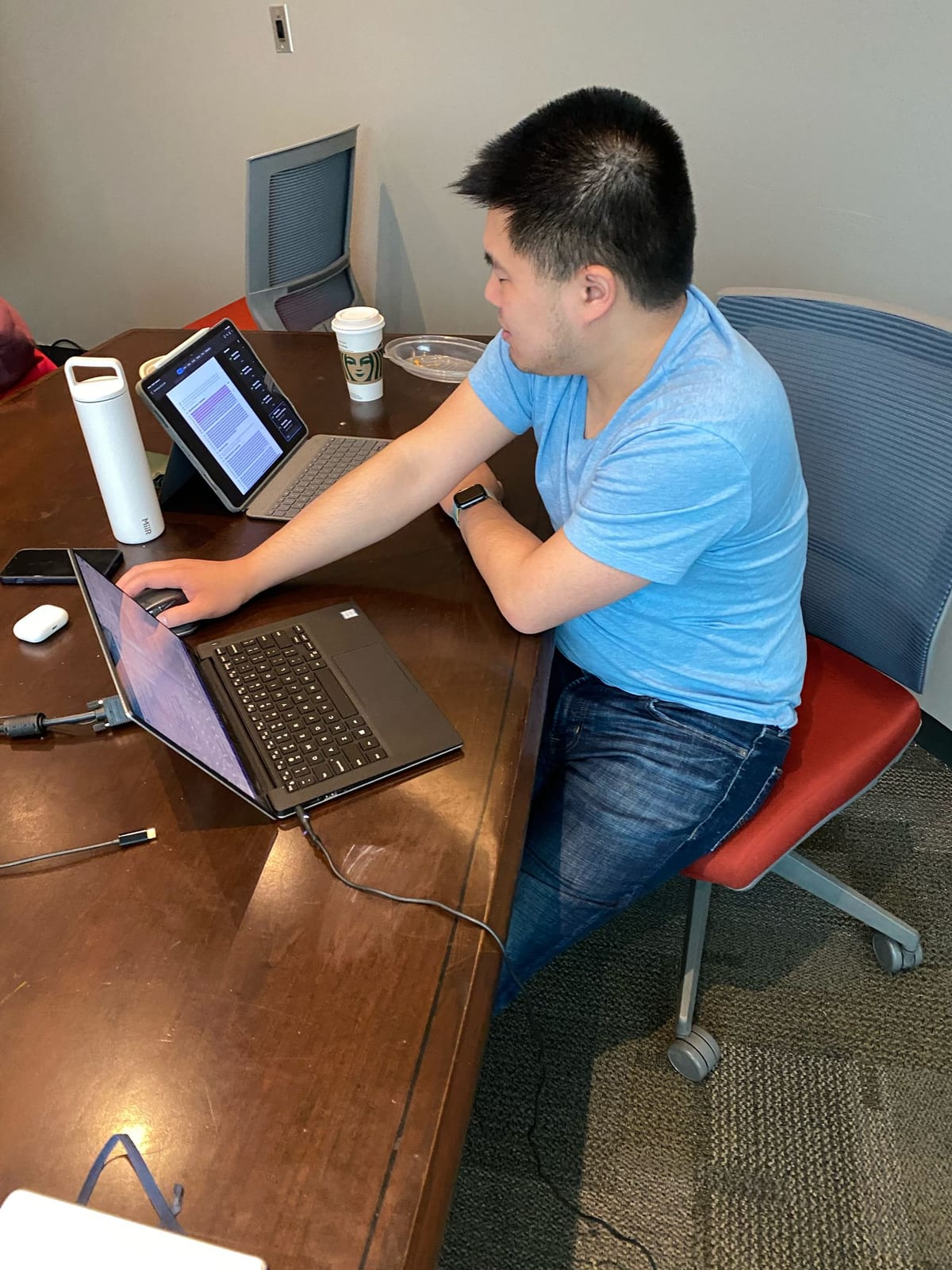
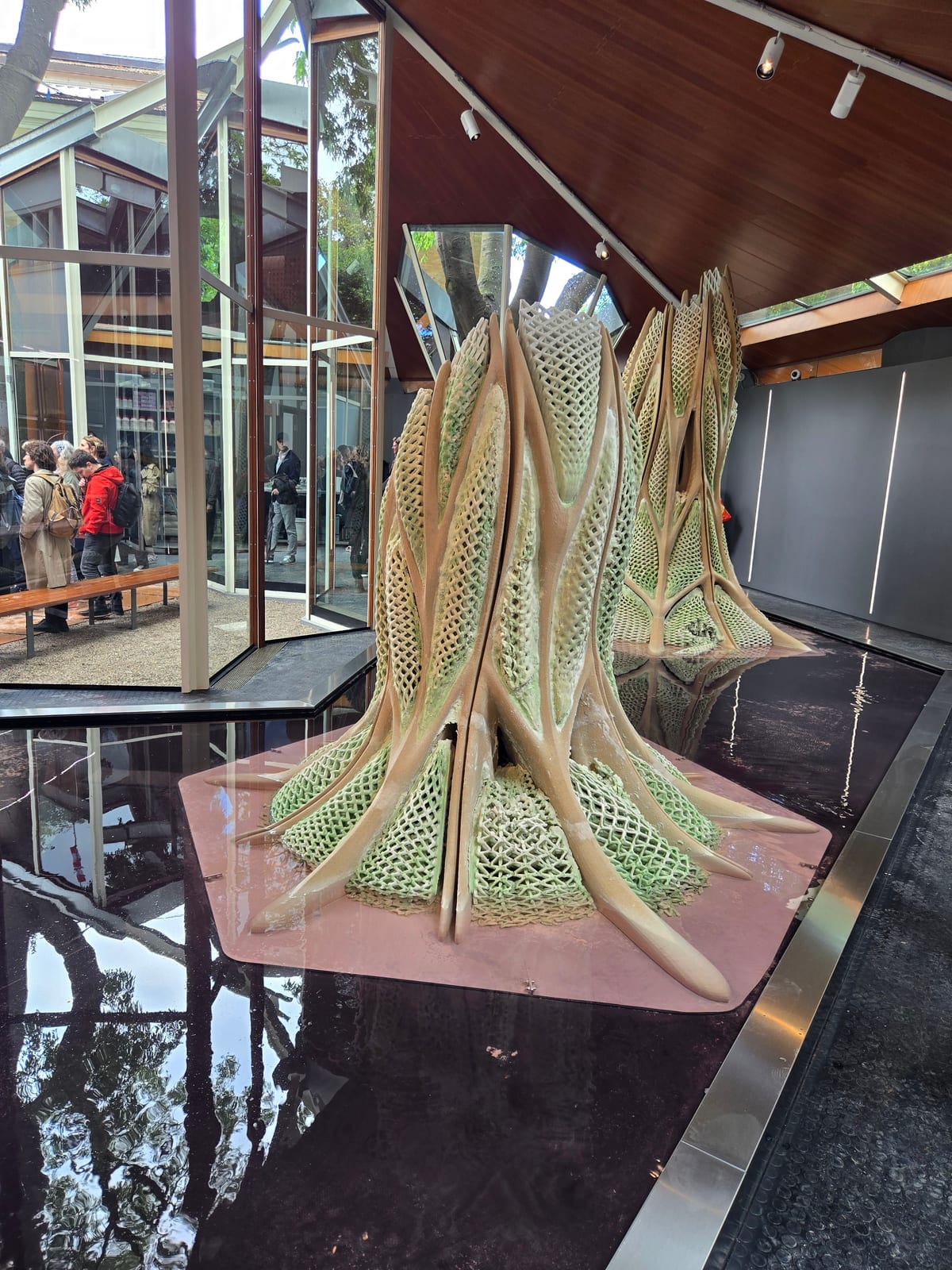
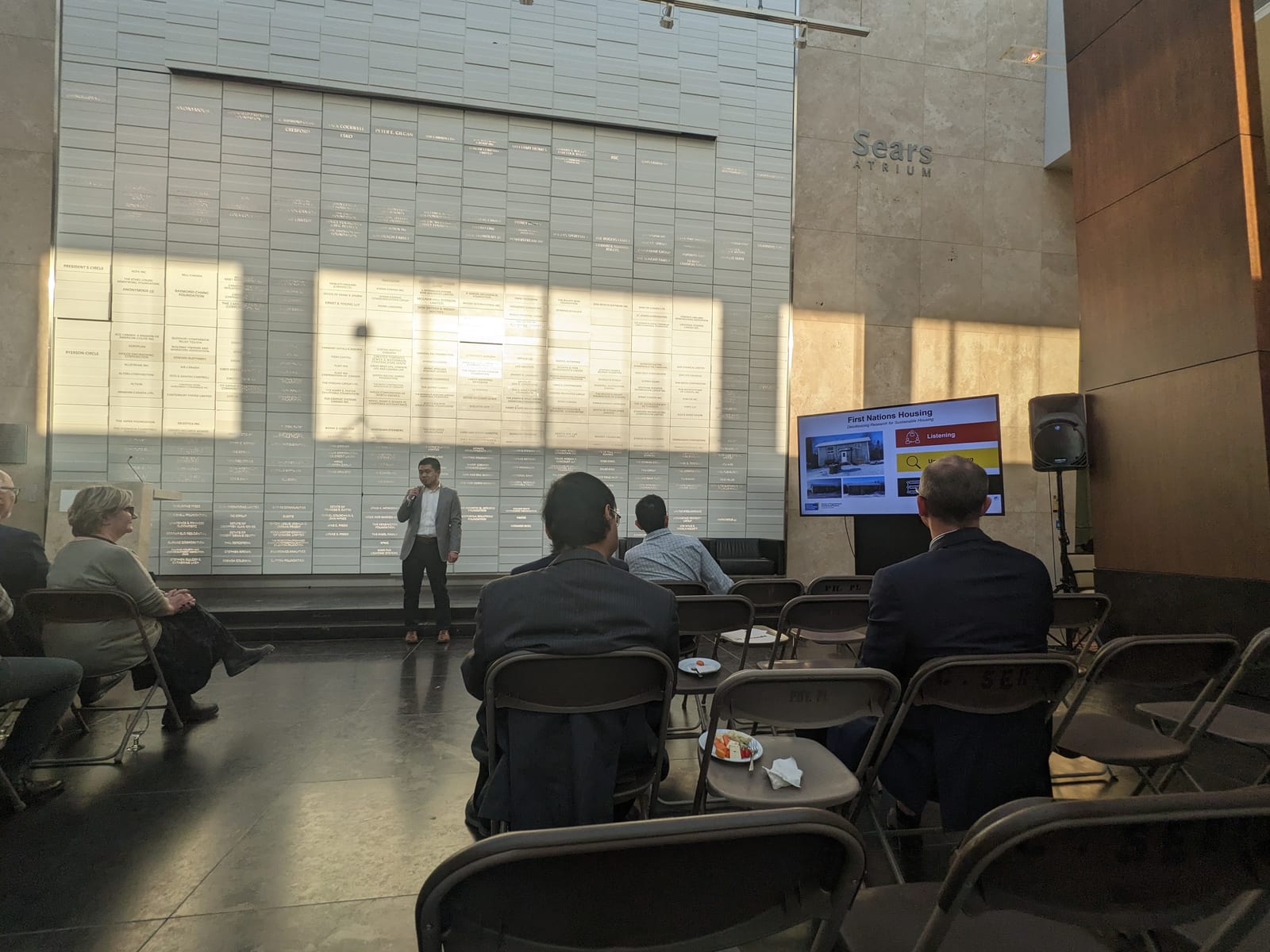
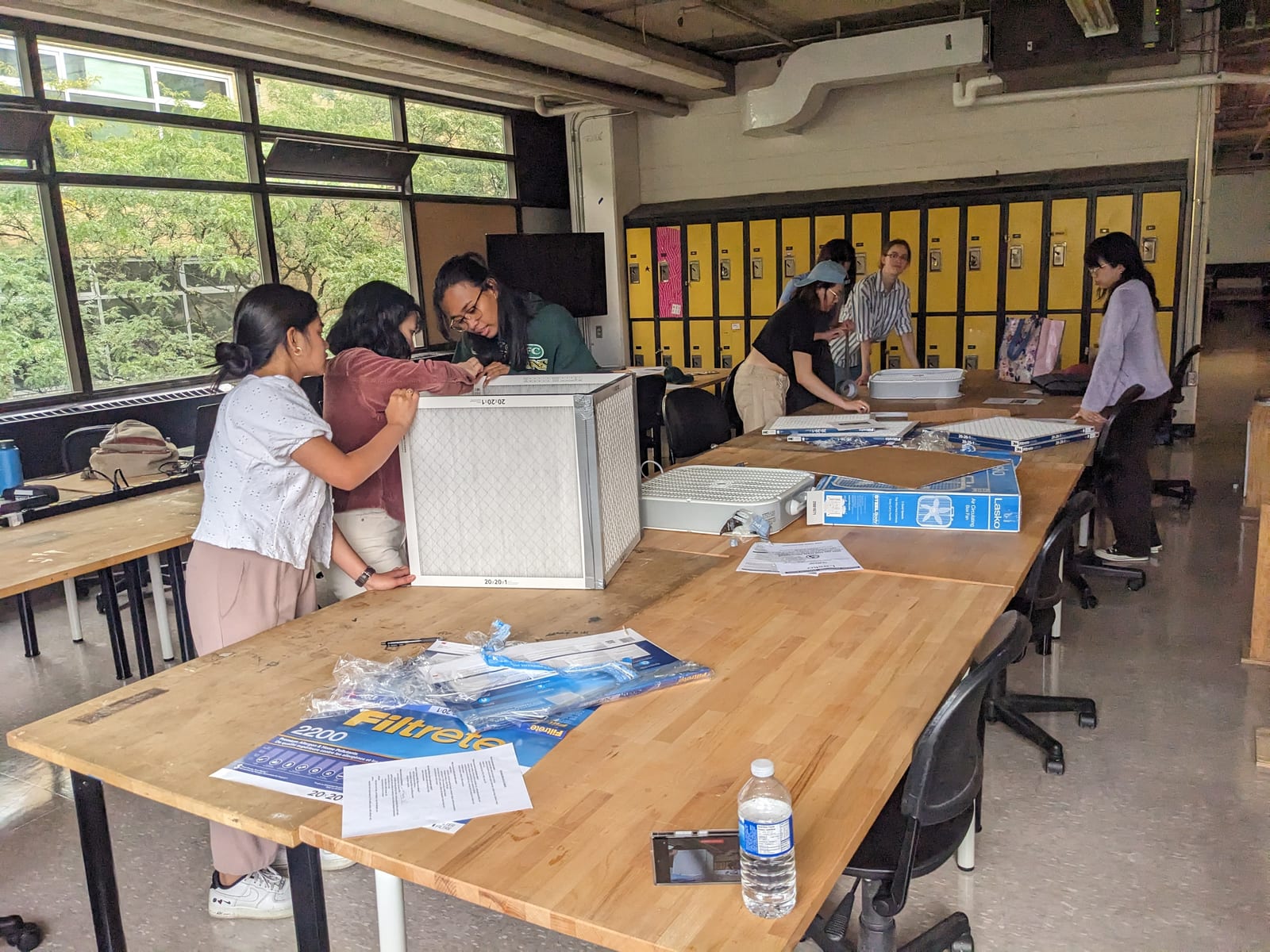
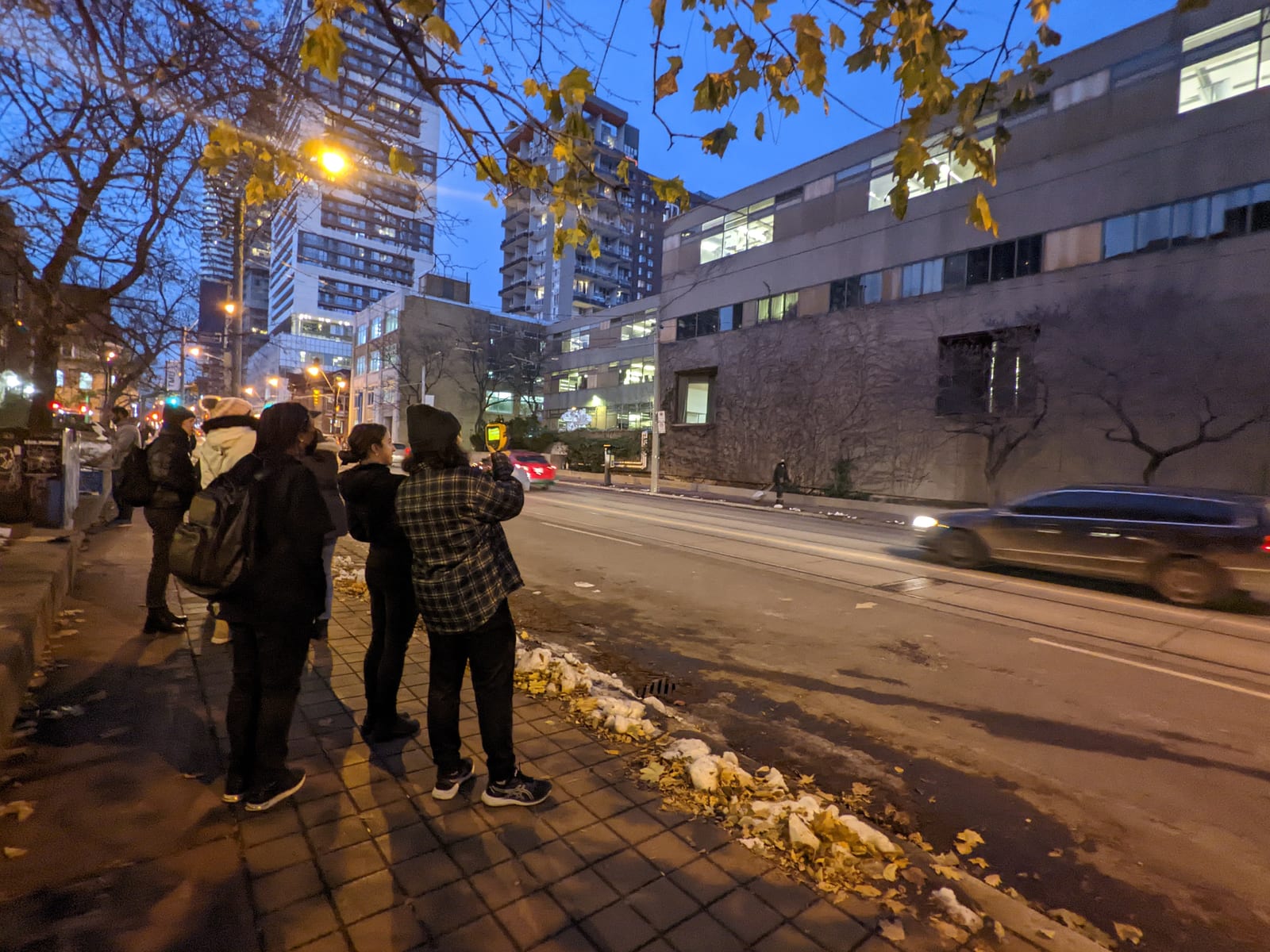
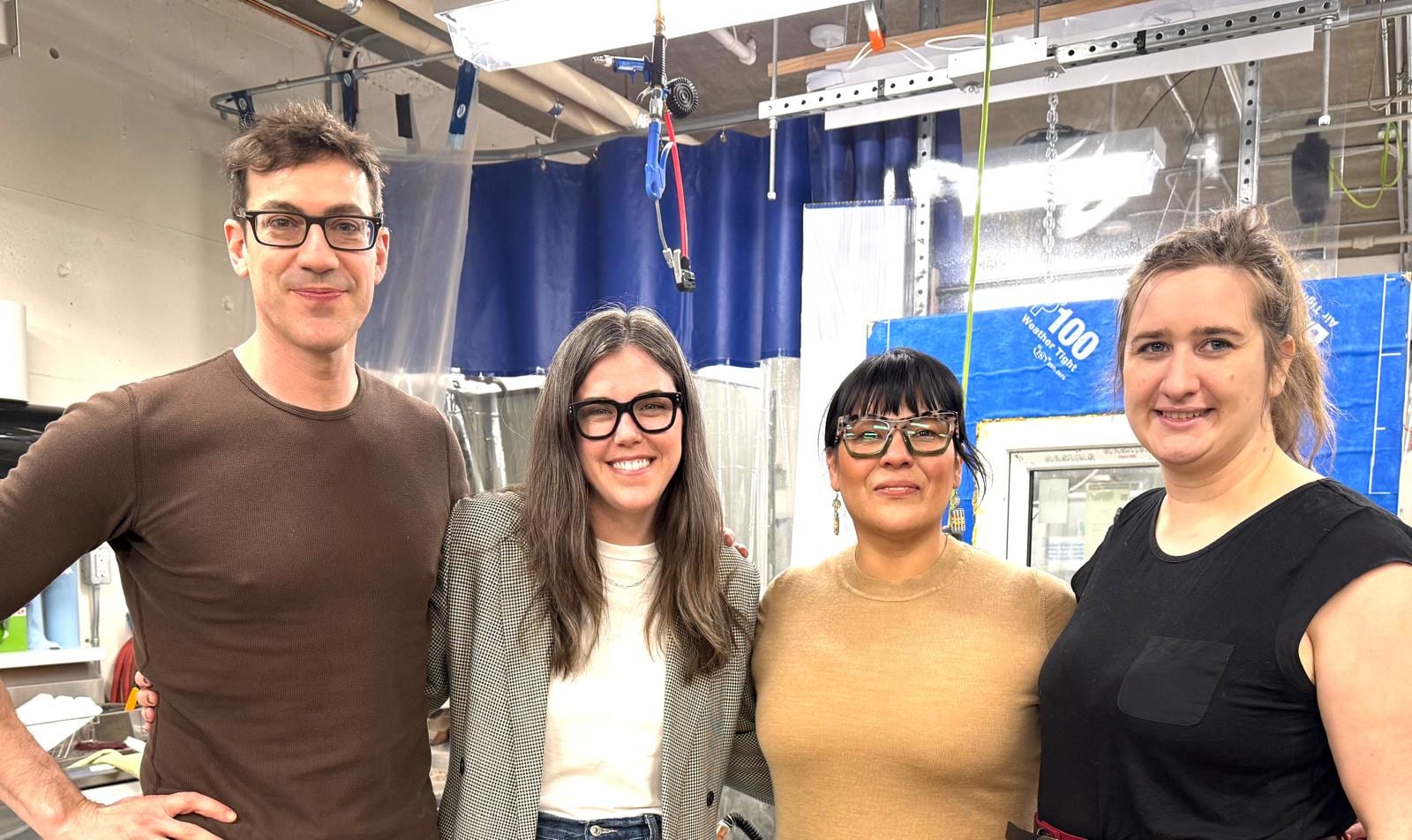
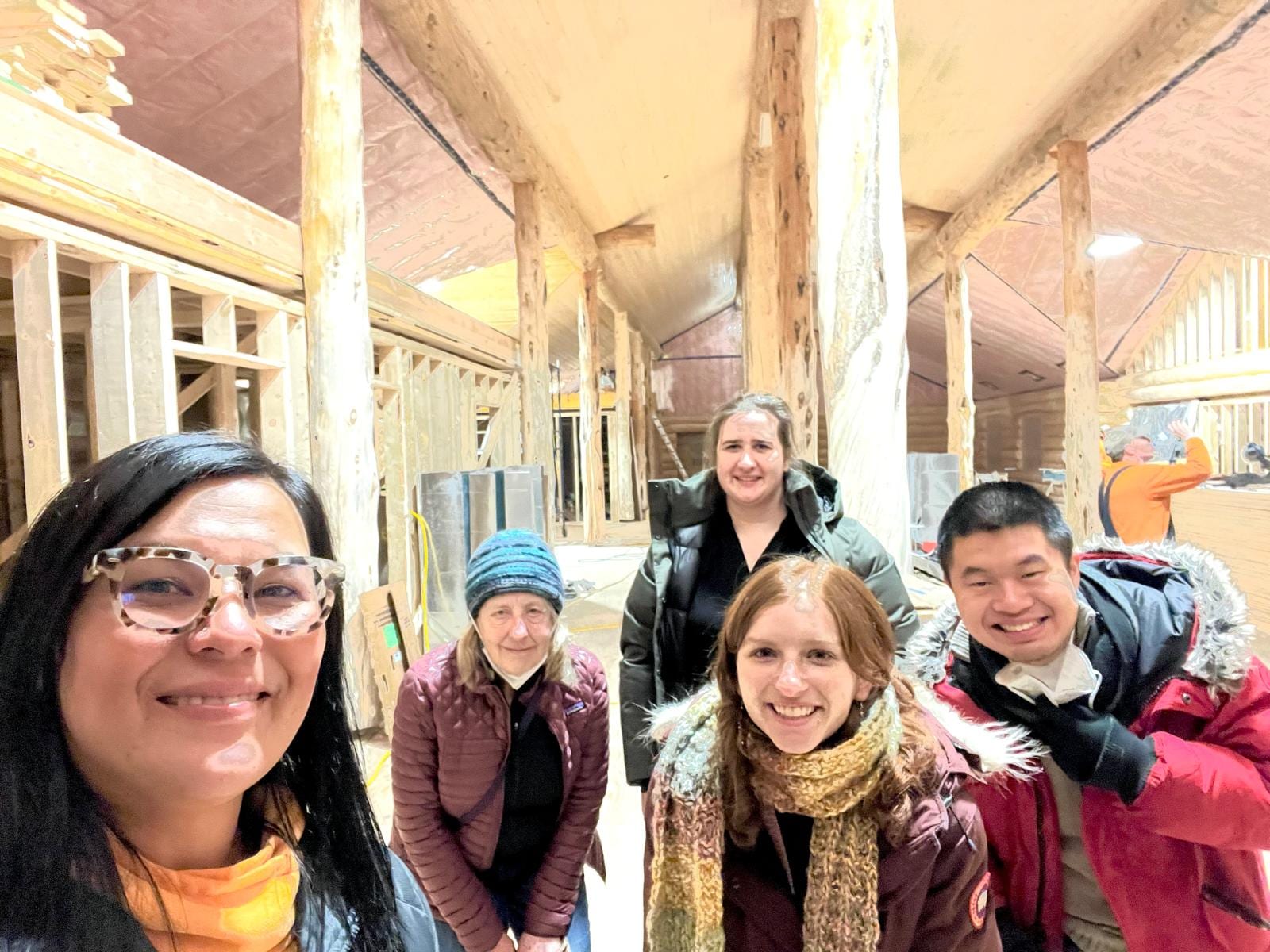
The part of research that doesn't make it into the papers: ice roads, box-fan hacking, long drives, community dogs, and the occasional snow angel on a frozen runway.

Alumni
| Name | Degree / role | Years | Work at GroundTRUTH | Now |
|---|---|---|---|---|
| Dr. Carolina Espinoza Sanhueza | Postdoctoral Fellow | 2025-2026 | Northern and Arctic Housing; Indoor Air Quality | Academic Researcher |
| Michael Wong | MASc | 2022-2024 | A Community-Based Qualitative Review of Housing in Saskatchewan First Nations | Energy Project Manager, EQ Building Performance Inc. |
| Sabato (Nick) Leo | MASc | 2023-2025 | Characterization of Open-Plenum Air Return Operation in Office Spaces | Deputy Returning Officer, Toronto Metropolitan Graduate Students' Union |
| David Gorodetsky | MASc | 2022-2025 | Investigation into the Hygrothermal Performance of Magnesium Oxide (MgO) Board | Sr. Project Manager, Orion Construction & Management |
| Noor Zaky | MASc | 2023-2025 | Data Fidelity of Low-Cost Indoor Environmental Quality Sensors | Team Lead, IKEA Planning and Ordering Point (PaOP) |
| Vanitha Mathur | MBSc | 2024-2025 | Evaluating Performance and Inter-Sensor Variability of Low-Cost IAQ Sensors through Co-Location with Reference Devices | Building Condition Assessor, BGIS |
| Tiffany Realegeno | MBSc | 2024-2025 | Qualitative Assessment of Building Envelope Defects in Two First Nations Communities | Project Manager, Capital Planning, Trillium Health Partners |
| Graham Jones | MBSc | 2024-2025 | Novel remote building condition assessment techniques | Project Coordinator, Bruce Power |
| Polina Loukianenkova | Undergraduate | 2025 | Novel remote building condition assessment techniques | Energy Analyst, Posterity Group |
| Samantha Wu | Undergraduate | 2025 | Laboratory Investigation of the Impact of Paint Sheen on Mould Growth on gypsum drywall | Master of Architecture student, University of Toronto |
| Patricia Krisanti | Undergraduate (University of Toronto) | 2024 | Development of an Ultra-Low Weight Thermal Imaging Drone for Building Assessment | Student, University of Toronto |
| Aidan Chui | Undergraduate | 2024 | Life Cycle Assessment of MgO Building Board | Designer/Technologist, MAST Architects Inc.; Masters of Architecture Student, Toronto Metropolitan University |
| Daniel Wolinski | Undergraduate | 2024 | Assessment of Housing Conditions in Two Saskatchewan First Nations Communities | Junior Designer, WW+P Architects; Architectural Science Student, Toronto Metropolitan University |