Low-cost indoor air monitoring for communities
Active
GroundTRUTH deploys custom, affordable systems for monitoring temperature, humidity, carbon dioxide and fine particulate matter in homes, including places without household Wi-Fi or building automation systems. Field deployments in Saskatchewan and Toronto are paired with testing against reference instruments so the measurements can be interpreted credibly and their limits remain visible.
Project overview
Monitoring that works in more homes
The lab has deployed monitoring kits in more than 30 buildings, including homes in two on-reserve communities in Saskatchewan and homes in Toronto. Their low cost and independence from household Wi-Fi make longer-term monitoring possible across a wider range of housing.
Making low-cost measurements trustworthy
Affordable sensors can follow changes in indoor conditions without necessarily reporting the correct absolute concentration. GroundTRUTH compares them with reference instruments and tests multiple units of the same model to establish what each device can measure reliably and where calibration or cautious interpretation is needed.
From testing to real-world questions
The same monitoring infrastructure supports research on housing conditions in Saskatchewan and indoor exposure during Toronto wildfire-smoke events. In summer 2025, sensors in 15 Toronto dwellings were used to examine how outdoor smoke, building envelopes and indoor activities affected particulate matter concentrations inside homes.
How the sensors are tested
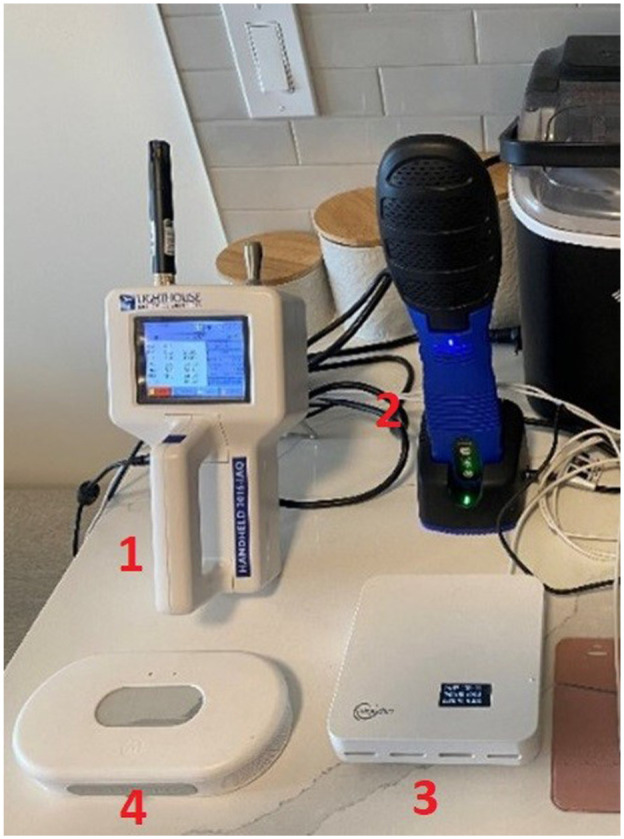
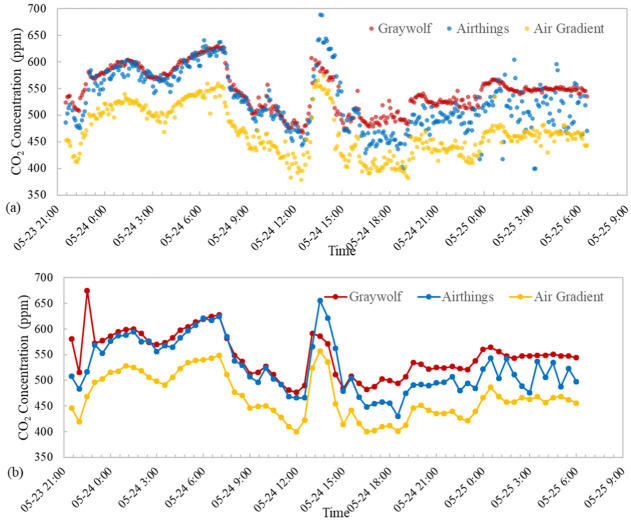
Papers
- 2025Validating the performance of low-cost IAQ sensors through co-location
- 2025Assessing inter-sensor variability and calibration of low-cost IAQ sensors through co-location with reference devices
- 2026Assessing indoor exposures to wildfire-induced fine particulate matter in the Greater Toronto Area